

Planning for a Level 2 EV charger installation can feel like navigating a maze of hidden costs and technical jargon. Many homeowners are surprised by the final bill, especially when an electrical panel upgrade becomes part of the equation. This guide cuts through the noise to give you a transparent, detailed breakdown, helping you budget accurately and avoid those unwelcome surprises.
Quick Takeaways
- Standard Level 2 EV charger installations typically range from $1,500 to $2,750.
- Electrical panel upgrades are common and can add $1,500 to $5,000 to the total.
- Charger hardware usually costs $300-$800, with labor and materials adding $800-$1,500.
- Always get multiple detailed quotes from licensed electricians specializing in EV charging.
- Federal, state, and local incentives can significantly reduce your out-of-pocket expenses.
- Understanding Level 2 EV Charger Installation Costs
- Breaking Down the Costs: Hardware, Labor, & Permits
- The Critical Factor: Will You Need an Electrical Panel Upgrade?
- Key Factors Influencing Your Total Level 2 Charger Installation Price
- Navigating the Installation Process: Hiring & Saving Money
- The Benefits of a Home Level 2 EV Charging Station
- Industry Standards & Trusted Resources
- Advanced Analysis & Common Pitfalls
- Key Takeaways
- Practical Verdict & CTA
- Frequently Asked Questions (FAQ)
Understanding Level 2 EV Charger Installation Costs
When you first consider adding a dedicated EV charger to your home, the prospect of a faster charge is exciting. However, the practical reality of a Level 2 EV charger installation involves more than just plugging in a new device. It requires specific electrical work that can vary significantly in cost depending on your home’s existing setup.
Most standard installations fall between $1,500 and $2,750 total. Very simple jobs, where your electrical panel is ideally situated and has ample capacity, can be as low as $800-$1,200. On the flip side, more complex projects, perhaps requiring long conduit runs for outdoor cable protection or even trenching, may rise to $2,500-$4,000. These figures illustrate why getting a precise quote is crucial.
The core concept is to deliver 240-volt power to a dedicated circuit. This isn’t just about convenience; it’s about safely and efficiently charging your electric vehicle. Understanding these upfront costs helps manage expectations for your residential EV charging setup.
Breaking Down the Costs: Hardware, Labor, & Permits
To truly understand the total expense of your Level 2 EV charger installation, it helps to dissect the project into its core components. Each piece adds to the final price tag, and knowing where your money goes can help you make informed decisions.
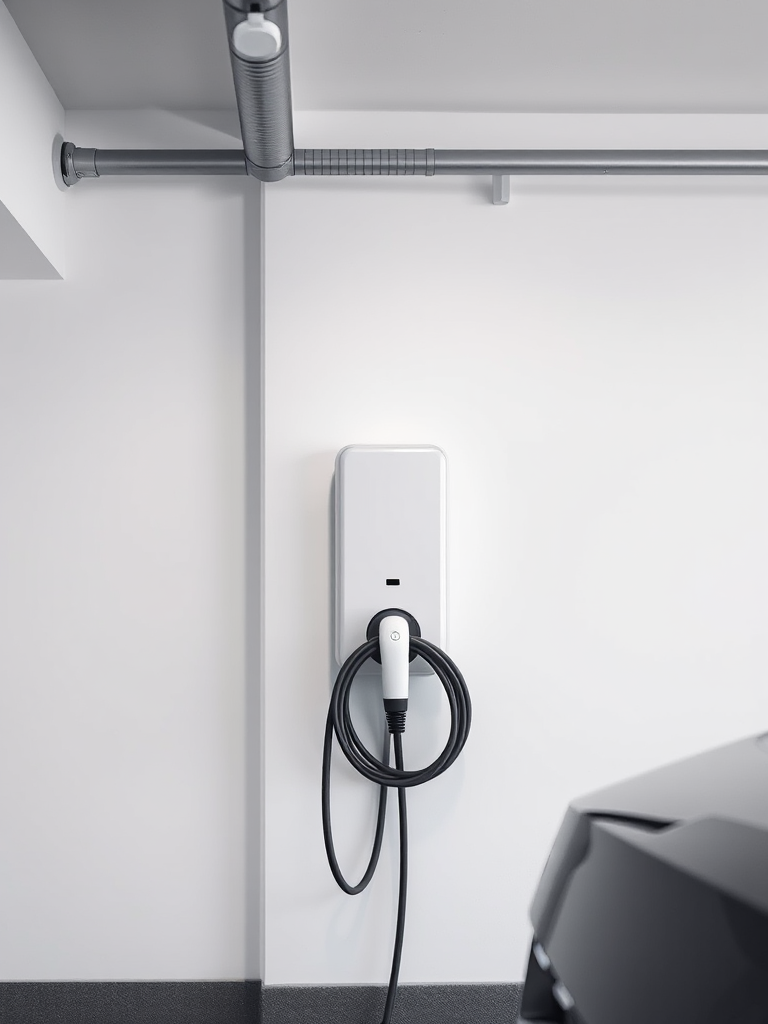
First, there’s the hardware itself. A typical Level 2 home charger costs about $300-$800. These are often 40 amp units (≈7.2-9.6 kW), offering a significant speed upgrade over standard Level 1 charging, allowing you to quickly replenish your EV’s battery. Prices vary based on features like Wi-Fi connectivity, smart scheduling, or even weather resistance for outdoor installation.
Next, and often the largest chunk, is labor and materials. This includes the electrician’s time, the wiring, conduit, circuit breaker, and any other electrical components needed. This part typically adds $800-$1,500 to the total. A complex run from the electrical panel to your desired charging spot in the garage EV charger cost will naturally inflate this.
Finally, don’t forget permits and inspections. Local municipalities require these to ensure the work meets safety codes. These generally run $50-$800, depending on your location and the scope of work. Neglecting permits can lead to legal issues and potential safety hazards down the line for your electric vehicle charger at home.
The Critical Factor: Will You Need an Electrical Panel Upgrade?
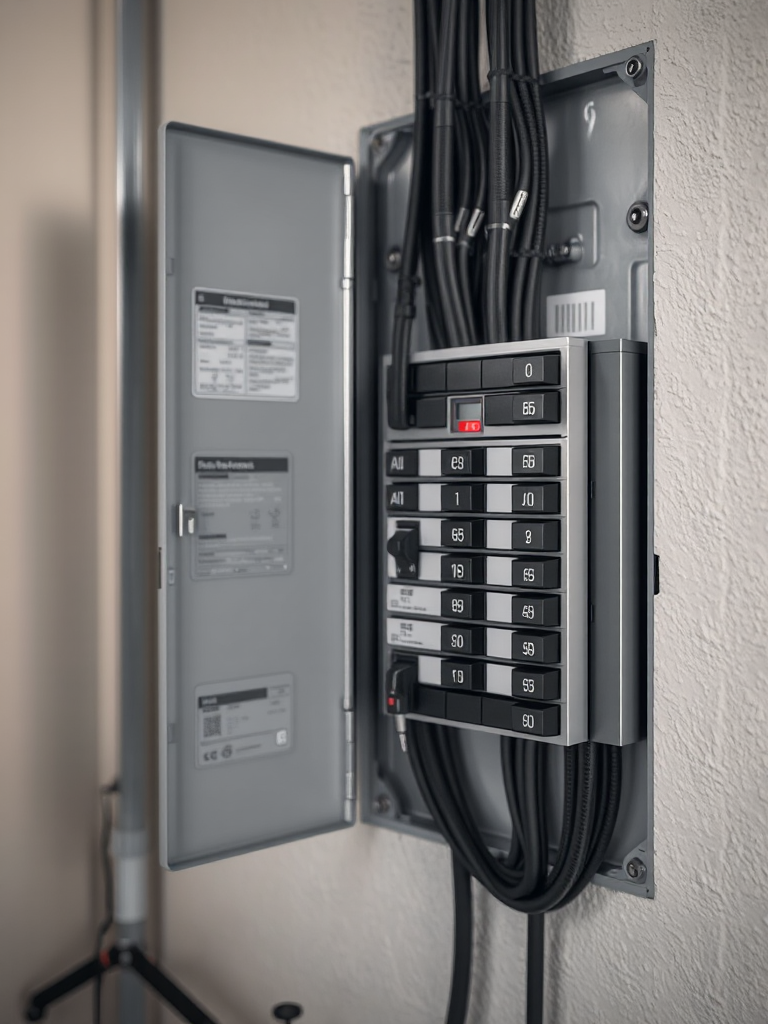
This is where many homeowners encounter an unexpected cost for their Level 2 EV charger installation. Your home’s existing electrical service panel might not have enough spare capacity to handle the demands of a new 240-volt circuit required for Level 2 charging. This often leads to an additional, significant expense.
If your existing service panel lacks capacity, an EV charger electrical panel upgrade or the installation of a load-management system becomes necessary. These innovative systems intelligently balance your home’s power consumption to prevent overloads without needing a full panel replacement. This can add a substantial $1,500-$5,000 to your total project cost. Full panel replacements, especially in older homes, often range from $2,000-$4,000 or more. This isn’t just about adding a circuit; it’s about upgrading the backbone of your home’s entire electrical system to support residential EV charging.
An electrician will perform a load calculation during their initial assessment. They determine if your current panel can safely accommodate the additional draw of the EV charger without overloading your home’s electrical system. This step is critical for safety and system longevity. Don’t skip it to save a few bucks, as it could lead to hazardous situations.
Load management systems offer a potential alternative to a full panel upgrade. These devices dynamically monitor your home’s energy usage and adjust the power delivered to the EV charger, ensuring you don’t exceed your panel’s total capacity. While they add a cost of their own, often $500-$800, they can be a more affordable solution than a complete panel overhaul in certain scenarios.
Key Factors Influencing Your Total Level 2 Charger Installation Price
Beyond the core components, several site-specific variables can significantly swing the final cost of your Level 2 EV charger installation. Understanding these helps you anticipate potential expenses and discuss them intelligently with your electrician.
One major factor is the distance between the electrical panel and where you want the charging station. The further the run, the more wiring and conduit are needed, driving up material and labor costs. If the electrician has to drill through walls, run conduit through finished spaces, or even trench outdoors, expect the price to climb.
The labor costs in your specific area also play a role. Electricians in high cost-of-living regions will naturally charge more per hour. Furthermore, the condition of your existing electrical panel is crucial. An older, deteriorated panel might require more work even if it has capacity, simply due to its age and compliance with current codes.
Lastly, any unique wiring needs or structural challenges can impact the garage EV charger cost. For instance, if you live in a multi-unit dwelling, or if your desired charging location is far from any existing utility access, the complexity increases. Local permits needed, as mentioned before, also contribute and can vary wildly by municipality.
Navigating the Installation Process: Hiring & Saving Money
The right professional makes all the difference for a smooth and safe Level 2 EV charger installation. Choosing an experienced, licensed electrician is paramount. Don’t just go for the cheapest quote; look for quality and specialization.
Homeowners should hire a licensed electrician who specializes in EV charging stations. This isn’t a job for a general handyman. An electrician familiar with these systems will understand the specific load requirements, permitting processes, and potential pitfalls unique to EV installations. Always obtain at least two or three detailed quotes. These quotes should break out hardware, wiring, permits, and any needed electrical upgrades so you can compare apples to apples.
Beyond hiring, there are significant opportunities to save money. Check local, state, and federal incentives. For example, the current federal tax credit offers 30 percent of the cost of qualified home charging equipment and installation, up to $1,000. Many states and even local utility companies offer their own rebates, grants, or special off-peak charging rates. These programs can offset a substantial part of your home EV charging station cost, making the upgrade much more accessible.
Always verify the electrician’s license and insurance. Ask for references and check online reviews. A reputable home EV charging station installer will be transparent about their credentials and pricing. They should also be able to guide you through the permitting process, or handle it entirely.
The Benefits of a Home Level 2 EV Charging Station
While the installation process for a Level 2 EV charger installation has its complexities, the long-term benefits for any EV owner are undeniable. It transforms your daily charging routine from a chore into a seamless experience, providing unparalleled convenience and efficiency.
Level 2 charging stations enable you to charge your vehicle five to seven times faster than a standard wall outlet, making them the preferred option for a majority of EV drivers. Instead of waiting overnight for a minimal charge from Level 1, you can add significant range in just a few hours. This means less anxiety about range and more flexibility in your daily schedule.
Imagine plugging in your electric vehicle charger at home after work and waking up to a full battery every morning. This convenience removes the need to frequently visit public charging stations, saving you time and often money, especially if your utility offers off-peak charging rates. Most Level 2 units are often a 40 amp (≈7.2-9.6 kW) unit, providing ample power for daily driving needs.
Having a dedicated home EV charging station also adds value to your property. As EV adoption continues to grow, homes equipped with proper charging infrastructure become more attractive to potential buyers. It’s an investment in both your current lifestyle and future property value.
Industry Standards & Trusted Resources
Understanding the standards and consulting trusted resources can empower you to make informed decisions about your Level 2 EV charger installation. It ensures safety, compatibility, and often helps you uncover potential savings.
For a foundational understanding of EV charging technology and infrastructure, Energy.gov’s Electric Vehicle Charging and Fueling page is an excellent starting point. It offers unbiased information on charging levels, connector types, and overall EV ecosystem, helping homeowners grasp the basics before diving into installation specifics.
When it comes to safety and certification, looking for products that meet ENERGY STAR standards for EV chargers is a smart move. ENERGY STAR certified chargers are often more energy-efficient and may qualify for additional rebates, showcasing a commitment to quality and lower operating costs.
For a consumer-focused perspective on specific charger models and what features truly matter in real-world use, publications like CNET’s reviews of best home EV chargers provide valuable insights. They often test user interfaces, installation ease, and the reliability of smart features, which can be critical for homeowner satisfaction.
Finally, for those interested in the broader impact of EVs and the future of charging infrastructure, leading tech publications like Wired’s electric vehicle coverage offers forward-thinking articles. They often touch on innovations, policy changes, and long-term trends that might influence your charging setup down the line.
Advanced Analysis & Common Pitfalls
Beyond the upfront costs, there are advanced considerations and common pitfalls homeowners should be aware of regarding their Level 2 EV charger installation. These can influence long-term satisfaction and overall value.
One often-overlooked aspect is ecosystem lock-in. While most chargers use the universal J1772 connector (Tesla vehicles use an adapter for seamless compatibility with standard charging stations), some chargers are designed to integrate seamlessly with specific smart home ecosystems or utility demand-response programs. If you’re heavily invested in a particular smart home brand, ensure your chosen charger plays well with it. Otherwise, you might end up with fragmented control.
Privacy concerns are also growing. Smart chargers collect data on your charging habits, which can be valuable for energy management but also raises questions about data privacy. Read the privacy policies of the charger manufacturer and any associated app carefully. Some companies may use aggregated data for marketing or research.
Long-term costs extend beyond electricity. While maintenance is generally low, consider the warranty of the charger itself and the installation. A reputable electrician will offer a warranty on their work. Also, factor in potential software subscription fees for advanced smart features, which some manufacturers are beginning to introduce.
A common setup problem can be Wi-Fi connectivity in garages. Many garages are signal dead zones, leading to frustrating issues with smart features like scheduled charging or energy monitoring. You might need a Wi-Fi extender to ensure a strong, reliable signal for consistent operation of your smart charger, or a charger with robust connectivity options to ensure reliable operation.
Level 2 EV Charger Cost Comparison: Simple vs. Complex Installation
| Cost Component | Simple Installation (Estimated) | Complex Installation (Estimated) | Notes |
|---|---|---|---|
| Level 2 Charger Hardware | $300 – $600 | $400 – $800 | Higher end for smart features, weatherproofing. |
| Installation Labor & Materials | $800 – $1,200 | $1,500 – $2,500+ | Distance from panel, trenching, wall finishes increase cost. |
| Permits & Inspections | $50 – $200 | $200 – $800 | Varies greatly by municipality and scope of work. |
| Electrical Panel Upgrade (if needed) | N/A (or minor load manager $500-$800) | $2,000 – $4,000+ | Critical “hidden” cost if panel lacks capacity. |
| Total Estimated Cost | $1,150 – $2,000 | $4,100 – $8,100+ | Always get multiple, itemized quotes. |
Key Takeaways
- Realistic Budgeting: Factor in charger hardware ($300-$800), labor/materials ($800-$1,500), and permits ($50-$800) for a standard Level 2 EV charger installation.
- Panel Upgrade Impact: An electrical panel upgrade or load management system can add $1,500-$5,000, a critical cost to anticipate and verify early.
- Factors Affecting Cost: Variables like distance from the panel, local labor rates, and any required drilling or trenching will influence your final price.
- Smart Hiring: Prioritize licensed electricians specializing in EV charging and obtain at least two to three detailed, itemized quotes.
- Leverage Incentives: Utilize federal tax credits (up to $1,000), state programs, and utility rebates to significantly reduce your out-of-pocket expenses.
Practical Verdict & CTA
Investing in a Level 2 EV charger installation is almost a necessity for most electric vehicle owners seeking convenience and efficiency. It drastically improves the daily usability of your EV, making it a highly recommended upgrade for anyone with a driveway or garage.
If your electrical panel is relatively modern and has sufficient capacity, and the run to your desired charging spot is straightforward, you can expect to be on the lower end of the cost spectrum, perhaps around $1,500-$2,750. However, if you own an older home or have a full electrical panel, prepare for the possibility of a panel upgrade. Budgeting an additional $2,000-$4,000 for this contingency is a pragmatic approach.
For those mindful of their budget, actively research and apply for all available incentives. These can substantially ease the financial burden. Overall, the benefits of a rapid, reliable home charge far outweigh the initial investment for the vast majority of EV drivers. Don’t let the upfront costs deter you; simply be informed and prepared.
Ready to upgrade your EV charging experience? Get a personalized quote from a local, licensed EV charging installer today!
Frequently Asked Questions (FAQ)
How much does a Level 2 EV charger installation typically cost?
A standard Level 2 EV charger installation usually ranges from $1,500 to $2,750. This includes the charger hardware, professional labor, materials, and necessary permits. However, costs can go lower ($800-$1,200) for very simple setups or higher ($2,500-$4,000+) for complex projects.
Will I need an electrical panel upgrade for my Level 2 EV charger?
It’s a common requirement. If your existing electrical service panel lacks sufficient capacity to safely accommodate the new 240-volt circuit, an electrical panel upgrade or a load-management system will be necessary. This can add an additional $1,500 to $5,000 to the total Level 2 EV charger installation cost.
What are the main components of Level 2 EV charger installation cost?
The main cost components include the Level 2 charger unit itself ($300-$800), the installation labor and materials (wiring, conduit, breaker) which typically run $800-$1,500, and local permits and inspection fees ($50-$800). Any required electrical panel upgrades are a separate, significant cost.
How can I save money on a Level 2 EV charger installation?
To save money, first obtain at least two to three detailed quotes from licensed electricians specializing in EV charging. Crucially, research and apply for all available federal, state, and local incentives. For instance, a federal tax credit can cover 30 percent of the cost, up to $1,000, for your Level 2 EV charger installation.
What should I look for when hiring an electrician for EV charger installation?
Always hire a licensed and insured electrician who has specific experience with EV charging station installations. Check their references, read online reviews, and ensure they provide a detailed, itemized quote. They should also be knowledgeable about local permitting requirements for a Level 2 EV charger installation.