

If you want to design a space that feels like you, it is time to embrace character driven furniture instead of copying sterile retail catalogs. Most modern showroom designs feel completely devoid of personal life and warmth.
Building a home with genuine soul requires pieces that tell your unique story. To help you navigate this transition, we have put together a practical guide on curating a home with depth.
Quick Takeaways
- Prioritize unique, narrative-rich character driven furniture over matching corporate showroom sets.
- Seamlessly mix design eras by balancing scale, pairing antique heirlooms with sleek modern profiles.
- Establish a soulful palette of natural, earthy finishes that shift dynamically with daylight.
- Embracing Your Story: What is Character-Driven Furniture?
- Crafting an Eclectic Individual Interior: The Art of Intentional Mixing
- The Timeless Blend: Mixing Old and New Furniture with Soul
- Weaving in Heritage: Cultural Influences for Character-Rich Decor
- The Art of Expression: Crafting a Soulful Palette
- Styling Non-Matching Furniture Sets: Tips for Cohesive Harmony
- Industry Standards & Trusted Resources
- Advanced Analysis: Pitfalls to Avoid with Character-Driven Furniture
- Key Takeaways for Designing Your Space
- The Practical Verdict: Should You Make the Switch?
- Frequently Asked Questions
Embracing Your Story: What is Character-Driven Furniture?
Many homes today suffer from a severe lack of identity. We often buy matching catalogs that look neat but feel entirely soulless. Choosing character driven furniture means selecting items that reflect your personal history and deep passions.
It is about making bold choices that feel authentic. This movement is a reaction against boring minimalist designs. Instead of hiding your life, you display your personality through sculptural, curved silhouettes and unusual textures.
Designers notes show a shift toward interiors that tell your story unapologetically. Homes are moving toward cultural influences, tactile finishes, and soulful color palettes. This evolution means your home stops looking like a generic showroom.
By choosing character driven furniture, you make design choices that resonate with your individual background. You do not need to follow rigid rules set by corporate decorators. Embracing character driven furniture allows you to show off your travel memories and quirks.
Integrating tactile material furniture helps ground these highly expressive design choices. Soft textiles and raw wood finishes keep the room feeling comfortable.
Ultimately, these custom pieces become the heart of your home. They invite conversation and make daily life feel more intentional and creative. The goal is to find items that feel like art pieces.
They should serve a functional purpose while also expressing your creative identity. Do not rush this process by buying cheap replicas online. Authentic pieces require time to source and a willingness to explore different makers.
Sourcing these items also connects you to a broader community of craftsmen. Knowing the maker behind your table adds an irreplaceable layer of value. This connection to human craft is what keeps your home feeling alive.
It is a stark contrast to buying flat-pack items from a factory.
Crafting an Eclectic Individual Interior: The Art of Intentional Mixing
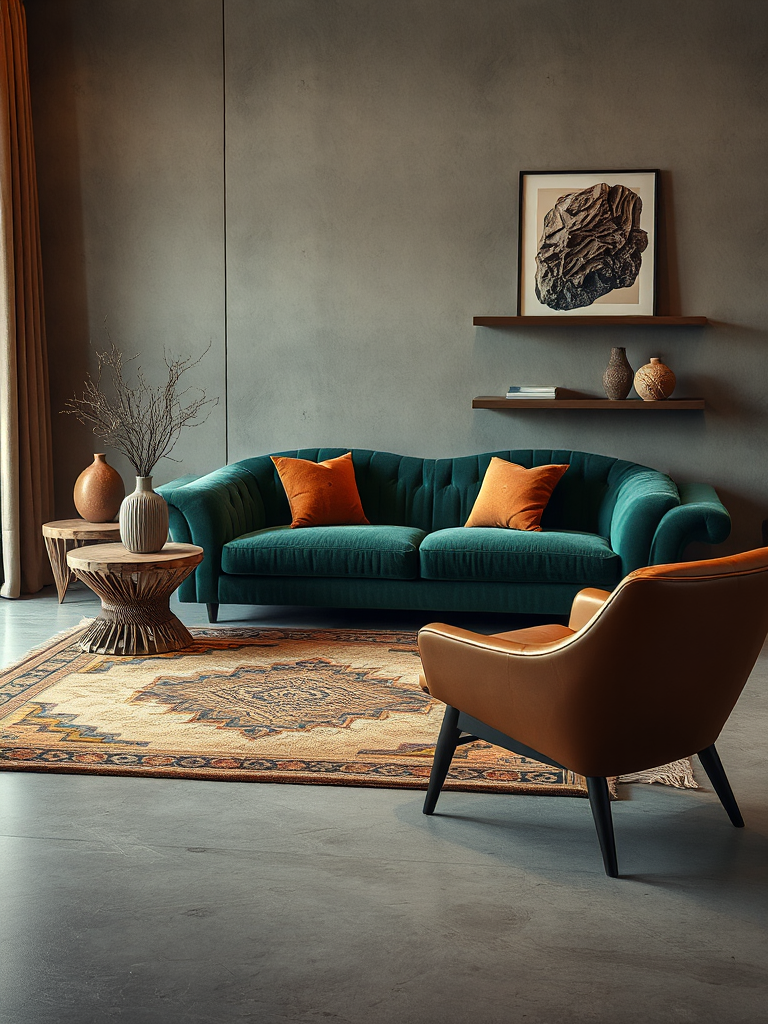
Creating an eclectic individual interior is not about throwing random items into a room. It requires an intentional blend of distinct design styles, which can be easily mapped out using structured grid templates and room-budget logs to keep your styling goals perfectly organized.
Gone are the days of selecting one signature style and going all-in. Design in 2026 is all about mixing different eras, palettes, and philosophies. A great starting point is replacing your outdated matching sets.
Instead, opt for complementary combinations that feature character driven furniture as primary highlights. For instance, you can pair a mid-century sofa with a rustic antique stool. This unexpected contrast immediately brings life to a quiet living space.
When sourcing character driven furniture, focus on pieces with highly distinct shapes. Look for curved frames, unusual wood grains, or customized metal hardware. This contrasting approach keeps your room from looking like a retail window.
It allows different design voices to speak harmoniously in the same space.
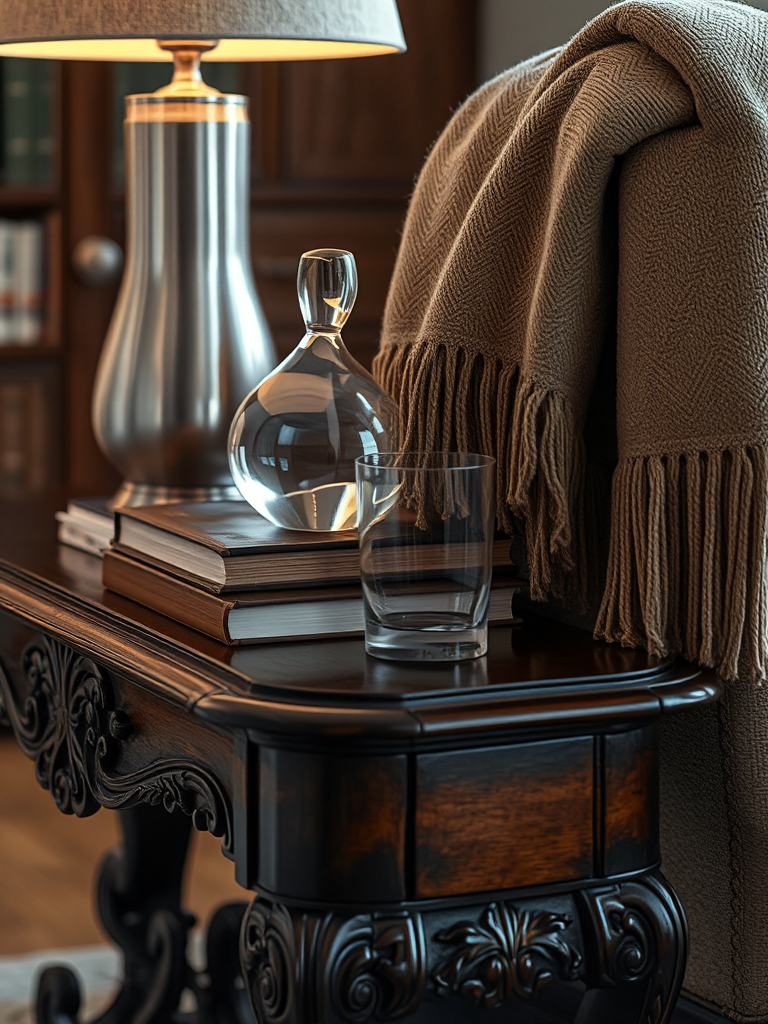
Another core strategy is to avoid buying everything from a single brand. Mass-produced collections are designed to match, which actively kills any individual charm. Instead, curate your layout slowly over several months.
Finding high-quality character driven furniture requires patience and a willingness to visit local estate sales. Let your layout breathe by leaving empty space around your primary pieces. This prevents your eclectic mix from looking cluttered or overwhelming to guests.
Remember that scale is just as important as style. Pair heavy, grounding credenzas with lighter, sculptural accent seating to keep the room balanced. Pay close attention to how light interacts with your different pieces.
A gloss finish will reflect light differently than a matte, raw wood item. This play of light and shadow adds another layer of visual interest. It makes your curated layout feel dynamic throughout the entire day.
The Timeless Blend: Mixing Old and New Furniture with Soul
To create a room with real depth, you must mix old and new furniture. This layered approach celebrates personal authenticity in your living spaces. Combining vintage heirlooms with contemporary forms creates an engaging, lived-in feel.
For example, place a 1920s Art Deco table near modern seating. Many top designers mix client heirlooms with contemporary furniture to give spaces an eclectic vibe. This dynamic mix keeps your home from feeling dusty.
To blend old and new furniture successfully, you must establish a unifying element. This is often achieved through a shared color palette or finish. Integrating your character driven furniture with contemporary pieces is easier when they share a similar color tone.
This keeps the room visually cohesive. This design approach is often called an heirloom modern blend. It allows you to preserve family history while enjoying modern, high-quality performance.
For instance, a traditional wooden settee can be refreshed with modern upholstery. Reupholstering a vintage frame in a plush fabric instantly modernizes it. You can also pair classic wood dining tables with sleek minimalist chairs.
This stark contrast highlights the unique beauty of both design eras. If you have a large living room, consider adding a modular sectional sofa to balance your older antiques. This provides maximum comfort while letting historic pieces stand out.
The juxtaposition of a historic armoire with modern character driven furniture is stunning. It shows that your interior design is thoughtful, creative, and deeply personal. Avoid over-restoring your vintage items.
The small scratches and worn finishes on old wood are what give these pieces their unique soul. Embrace these signs of wear as proof of authentic craftsmanship. They add a layer of warmth that brand-new items simply cannot replicate.
Weaving in Heritage: Cultural Influences for Character-Rich Decor
Your home should be a visual reflection of your personal journey. Bringing cultural influence decor into your design helps tell that global story. Many of the most beautiful homes are inspired by a love of travel.
Designers frequently collect interesting finds along the way to build depth. You can layer a Moroccan table with an Afghan Oushak rug. These global elements introduce rich textures and historic patterns to your modern rooms.
Incorporating global details creates cultural influence and beautifully integrates character driven furniture. It is an excellent way to move past generic, mass-produced decorating trends. You might display hand-woven textiles, hand-painted ceramics, or carved wooden chests.
Each item serves as an authentic memory of your worldly travels. However, it is crucial to avoid treating these global items as simple props. Choose pieces that have real meaning or represent actual cultural connections.
Letting these cultural treasures shine requires careful placement. Do not crowd them together; give each global find its own dedicated display space. They should feel integrated into your daily life, not like a museum display.
Use your travel finds to hold books, keys, or blankets. This approach ensures your design choices feel respectful and authentic. It transforms your home into a beautiful tapestry of your life adventures.
By honoring different cultures, you build a home that feels warm and globally minded. It is a timeless way to showcase your personal values. This layered cultural approach prevents your home from feeling stuck in one era.
It shows a deep appreciation for global design traditions. Ultimately, your rooms become a beautiful map of your experiences. It is a design style that grows and evolves alongside your travels.
The Art of Expression: Crafting a Soulful Palette
Color and texture are essential tools for emotional home design. Developing a soulful palette furniture strategy helps your rooms feel grounded and permanent. We recommend moving away from stark white walls and sterile gray floors.
These cold backdrops often make beautiful wood pieces look out of place. Instead, allow your character driven furniture to dictate a soulful palette of earthy neutrals. Use rich terracotta, deep blues, and muted greens.
These natural hues shift beautifully with the changing daylight. They create a cozy, safe atmosphere that makes visitors want to sit and stay. Tactile finishes are equally important for creating visual and physical depth.
Natural materials like raw oak, linen, and clay bring instant warmth. These rich finishes bring warmth, depth, and a sense of permanence. They make your furniture feel integrated rather than like temporary props.
Soulful design comes from attention to detail and natural materials. Blending hand-made textiles with sleek modern finishes creates a perfect sensory balance. Consider using limewash paints or textured plaster on your walls.
These finishes catch light beautifully and complement your rustic, wood-toned character driven furniture. The goal is to create a multi-sensory experience in every room. Your home should look beautiful and feel incredibly satisfying to the touch.
Avoid bright, artificial dyes that clash with natural wood tones. Stick to pigments sourced from nature to keep your palette feeling authentic. Remember that a soulful palette is not just about paint colors.
The natural variations in stone, timber, and metal provide their own rich colors. Letting these raw material colors lead your design creates an incredibly organic atmosphere. It feels peaceful, grounded, and deeply tied to the earth.
Styling Non-Matching Furniture Sets: Tips for Cohesive Harmony
Many homeowners struggle when styling a non matching furniture set. They worry that their favorite mismatched items will look chaotic together. The secret lies in finding cohesive grounding elements.
You must create visual rhythm without making every single piece look identical. Matching furniture sets are no longer the ultimate goal. Styling your character driven furniture with mismatched pieces is a great way to show off your style.
To balance mixed wood tones, try to repeat each tone at least twice. This makes the variation look completely intentional rather than accidental. You must also focus on balancing the physical scale of your furniture.
Pair a large, heavy wooden table with lighter, metal-framed side chairs. To tie disparate elements together, anchor your layout with a quality rug. Using washable rugs is a smart way to add color while keeping maintenance simple.
Finally, layer varied textures like soft velvet, worn leather, and woven rattan. This visual depth keeps your character driven furniture looking cohesive. Keep your pathways clear so the room still feels easy to navigate.
A crowded room will feel messy no matter how beautiful the furniture is. Use lighting to highlight your favorite unique pieces. A well-placed floor lamp featuring warm, dimmable LED glow and a sleek minimalist metal frame can draw the eye directly to a handcrafted side cabinet while creating a cozy reading nook.
Trust your intuition during the decorating process. If a particular layout feels comfortable to live in, it is probably the right choice. If a layout feels too busy, try removing one or two accessories.
Sometimes, a tiny bit of edit is all it takes to find harmony. A clean, thoughtful editing process is the hallmark of professional design. It ensures your favorite pieces have the physical space to shine.
Industry Standards & Trusted Resources
When sourcing unique items, referencing reliable industry experts is critical. The design professionals at Architectural Digest highlight the growing demand for bespoke, craft-first interior trends.
For practical advice on maintaining vintage wood pieces, you can consult The Spruce. Their maintenance guides offer excellent tips on preserving delicate antique finishes.
If you are concerned about sustainable wood sourcing standards, check the Forest Stewardship Council. They provide certifications that ensure your purchases do not harm global forests.
Additionally, the home safety guidelines verified by the Consumer Product Safety Commission are worth reviewing. They ensure that modified or vintage items remain safe for family use.
Advanced Analysis: Pitfalls to Avoid with Character-Driven Furniture
While choosing character driven furniture is exciting, there are several common traps to avoid. Many buyers focus entirely on looks and ignore basic daily comfort. A sculptural stone chair might look amazing, but it is useless if it hurts to sit in.
Always prioritize comfort and daily usability by softening hard surfaces with ultra-plush velvet textiles that instantly elevate physical relaxation while adding a rich layer of texture.
Another major pitfall is over-cluttering your rooms with too many statement pieces. If every item is shouting for attention, the space feels stressful. Instead, let one main piece of character driven furniture take center stage.
Surround it with quiet, simple supporting elements to let it breathe. You must also consider the weight and durability of vintage finds. Older wood cabinets can be incredibly heavy and difficult to move during relocations.
Make sure to check older wooden items for signs of structural damage. Hidden pests or weakened joints can quickly ruin an expensive vintage purchase. Furthermore, some vintage paints may contain hazardous lead.
Always test older painted items using instant-result, non-toxic testing swabs before bringing them into a home with children to ensure complete peace of mind.
Budgeting for repairs is another crucial step that many buyers forget. Sourcing a unique piece is great, but professional restoration can be quite expensive. Be prepared to spend extra time cleaning and sealing raw wood elements.
Using a premium, water-resistant formula that locks out moisture and dust helps protect your investment and ensures it remains a gorgeous family heirloom for decades. Let us compare how these choices match up against standard showroom packages.
The differences in value, longevity, and style are quite substantial.
| Feature | Showroom Matching Set | Character-Driven Styling |
|---|---|---|
| Setup Speed | Instant / Next-Day Delivery | Slow curation over several months |
| Resale Value | Low (depreciates instantly) | High (vintage pieces hold value) |
| Visual Impact | Predictable, generic aesthetic | Highly unique, personal statement |
| Sustainability | Low (mass-market production) | High (reclaimed/restored materials) |
Always measure your doorways and stairwells before purchasing large antique pieces. Vintage cabinets do not disassemble like modern flat-pack furniture. Getting a massive armoire stuck in a narrow hallway is an incredibly stressful experience. A quick measurement beforehand saves you massive headaches later.
Key Takeaways for Designing Your Space
- Prioritize Story: Focus on items that reflect your personal journey and travel memories.
- Mix Eras: Combine vintage heirlooms with sleek, modern forms for depth.
- Balance Scale: Pair large statement items with lighter, sculptural accent chairs.
- Harmonize Woods: Mix wood tones intentionally by repeating each finish twice.
- Select Warmth: Build a soulful color palette using earthy, natural tones.
The Practical Verdict: Should You Make the Switch?
Investing in character driven furniture is the ultimate way to build an authentic home. It is perfect for anyone tired of boring, identical retail setups.
However, this design path requires time, patience, and a willingness to curate slowly. If you need a fully finished room tomorrow, it may frustrate you. For the best results, start small by replacing one mass-produced item with character driven furniture.
This allows you to explore the style without overspending. Ready to transform your living spaces with unique charm? Explore our detailed design guides to find your next favorite home accent today.
Frequently Asked Questions
What defines character-driven furniture?
It refers to unique, story-rich pieces that express your personal journey and individual style. Instead of matching a showroom catalog, character driven furniture features bold shapes, hand-crafted details, or historic finishes.
Can I mix different wood tones in one room?
Yes, mixing wood tones is a major design trend in 2026. When styling character driven furniture with different finishes, try to repeat each wood tone twice to make it look intentional.
How do I prevent my eclectic room from looking cluttered?
Balance is key to a successful eclectic design. Make sure to pair heavy statement pieces with lighter, minimalist elements, and leave plenty of empty space around your primary furniture.
Is vintage furniture safe to use in a modern home?
Most vintage character driven furniture is highly durable and safe to use. However, you should inspect old items for structural stability and test painted finishes for lead before use.
How do I choose a cohesive color palette for mismatched furniture?
Stick to a soulful color palette based on earthy neutrals, deep blues, and terracottas. This natural harmony will beautifully tie your unique pieces together.