

Transitioning your yard to native plant landscaping is the most practical way to escape the endless cycle of mowing, watering, and fertilizing. While traditional turf lawns demand constant weekend labor, local species thrive naturally with minimal intervention. This guide explores how to build a resilient, beautiful, and self-sustaining yard.
Quick Takeaways
- Native plants reduce outdoor water use by up to 60 percent compared to turf.
- Deep root systems control erosion and naturally improve soil health over time.
- Layered ecological designs support local birds, bees, and essential wildlife.
- Beyond Beauty: The Core Benefits of Native Plant Landscaping
- Crafting a Pollinator Paradise: Essential Design Principles
- The Low-Maintenance Advantage: Saving Time and Resources
- Thriving in Dry Climates: Drought-Tolerant Native Designs
- Embracing Nature’s Beauty: Naturalistic Garden Design
- Overcoming Challenges: Common Native Landscaping Problems and Solutions
- The Investment in a Native Landscape: Cost and Long-Term Value
Beyond Beauty: The Core Benefits of Native Plant Landscaping
Traditional suburban lawns are resource sinks. They demand synthetic fertilizers and constant irrigation. By choosing native plant landscaping, you work with nature instead of fighting it.
Native species are pre-adapted to local climate and soils. They need far less irrigation, fertilizer, and pesticide than non-natives. This saves water, time, and money while reducing chemical runoff.
These plants develop incredibly deep root systems, often extending 15 feet or more. These roots stabilize soil, curb erosion, and increase water-holding capacity.
Implementing a thoughtful ecological landscape design transforms your property. Utilizing an easy-to-read diagnostic system helps you ensure your local species enjoy improved soil structure, balanced pH levels, and fewer drainage issues. These healthy environmental changes directly translate to lower monthly utility bills.
Over time, this shift restores the natural soil food web. Healthy soil biology reduces the need for artificial additives. Your garden becomes a self-regulating ecosystem that thrives on its own.
Choosing native plant landscaping is a long-term investment. It protects your property value while conserving regional water resources. It is a smart choice for modern homeowners.
Crafting a Pollinator Paradise: Essential Design Principles
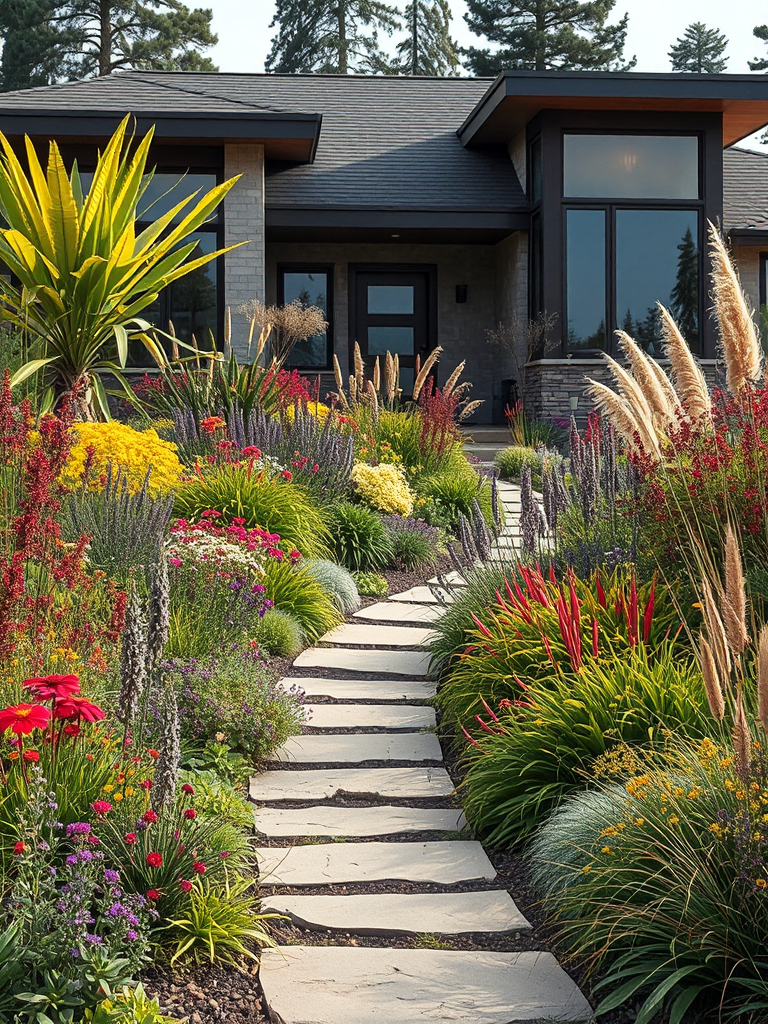
Many homeowners dream of a yard filled with color and life. Designing a pollinator-friendly garden requires more than just buying random flowers. You need to focus on structure and diversity.
Oaks serve as hosts for over 500 species of caterpillars. Black cherry trees support over 400 species. Birches and willows support over 350, while aspens and maples host about 300.
A successful wildlife habitat garden provides continuous blooms from spring to fall. Grouping multiple individuals of keystone nectar and host plants makes them visible to insects.
Intermixing herbaceous layers with native grasses provides physical support. It also creates a dense, beautiful matrix that keeps weeds at bay naturally.
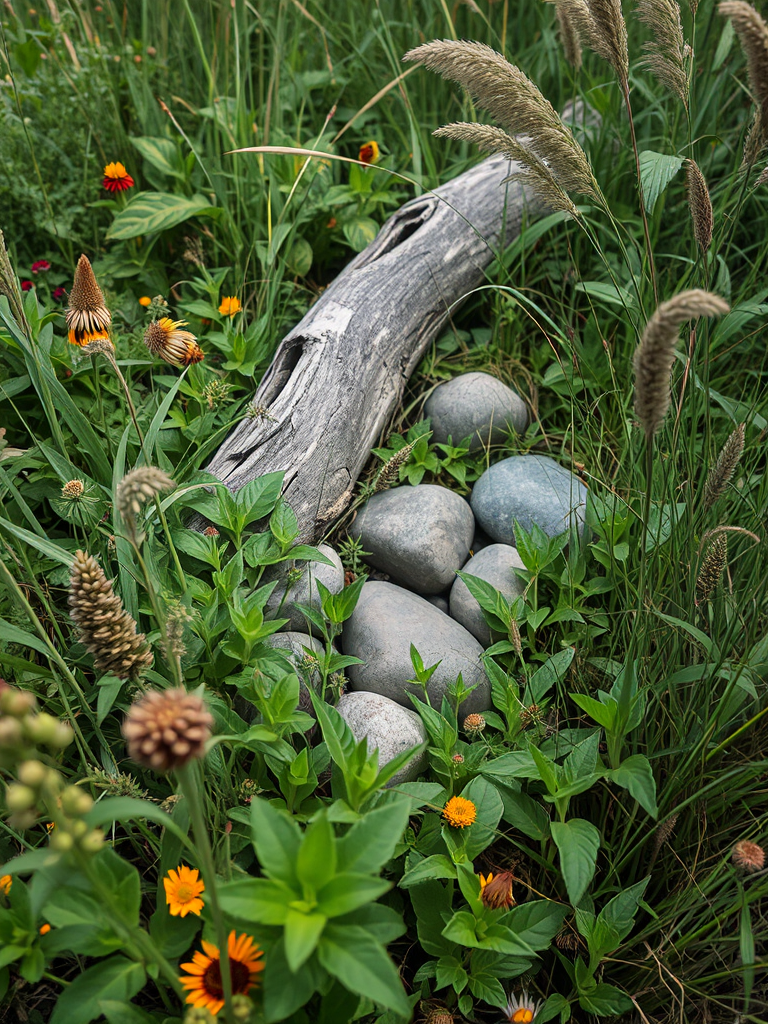
Do not clean up every fallen log or stone. Placing log or stone features and bare ground supports nesting bees. This structural variety is crucial for a complete ecosystem.
When planning your native plant landscaping, think about vertical layers. Canopy trees, understory shrubs, and groundcovers create distinct ecological niches.
Integrating native plant landscaping requires patience. Plants sleep, creep, and then leap over a three-year cycle. Your patience will be rewarded with a buzzing, lively sanctuary.
The Low-Maintenance Advantage: Saving Time and Resources
Home renovation projects like an ADU garage conversion add functional indoor space. Similarly, installing low maintenance native plants reclaims your outdoor living space.
Because native plants are low-maintenance once established, they require minimal care. They only need regular watering during the first year of growth.
After establishment, they need only occasional pruning. They rarely need fertilization or pest sprays thanks to natural disease resistance.
A native perennial garden does not require seasonal replanting. These species return year after year, growing stronger and more resilient each season.
You will save money on commercial yard services. There is no need for weekly mowing or chemical weed control programs.
The reduced labor allows you to enjoy your yard. Instead of working on your lawn, you can relax in a dynamic garden.
This approach aligns perfectly with other sustainable home upgrades. It reduces your overall carbon footprint while enhancing curb appeal.
Thriving in Dry Climates: Drought-Tolerant Native Designs
Water scarcity is a growing concern for many homeowners. Designing drought tolerant landscaping is no longer just an option for arid regions.
For drought-tolerant designs, select deep-rooted grasses and drought-hardy shrubs. Choose trees suited specifically to the site’s moisture regime.
Place plants densely to outcompete invasives and protect soil moisture. This close spacing mimics natural plant communities.
Native plant landscaping naturally reduces the need for supplemental irrigation. Once established, these gardens survive on local rainfall alone.
You can combine these plants with natural hardscaping. Features like a natural stone countertop in an outdoor kitchen complement native grasses beautifully.
This design style prevents soil baking during hot summer months. The dense foliage shades the soil surface, keeping root zones cool.
It also reduces stormwater runoff during sudden heavy downpours. The deep roots act like sponges, filtering water back into aquifers.
Ultimately, water-wise gardening protects your home from drought restrictions. You can maintain a lush yard even during dry spells.
Embracing Nature’s Beauty: Naturalistic Garden Design
Naturalistic garden design is about working with natural plant communities. It moves away from rigid geometric lines and monocultures.
A naturalistic garden mimics the structure of the surrounding ecosystem. It uses layered plantings of canopy trees, mid-story shrubs, and herbaceous perennials.
Ground-cover grasses are arranged in informal, species-appropriate groupings. This creates habitat complexity while still looking aesthetically pleasing.
These layers work together to suppress weeds and conserve soil moisture. The plant community becomes self-mulching, saving you money on shredded bark.
This approach also changes how we handle autumn clean-up. Leaving the leaves provides critical habitat for beneficial insects.
Many important pollinators overwinter in the loose leaves. Winter birds feed on the dried seed heads left behind.
In the spring, save many of the stems by cutting them to 12 inches, providing natural cavities where gentle, non-aggressive native bees can lay their eggs. For a clean, organized look in your garden, you can also install a dedicated wooden shelter with hollow stems for nesting, which safely attracts beneficial pollinators to your fruit trees and flowers.
The result is a dynamic garden that changes beautifully with the seasons. It offers visual interest even during the coldest months.
Industry Standards and Trusted Resources
When planning your yard, it is helpful to consult established environmental guidelines. The United States Environmental Protection Agency offers excellent resources on water-efficient landscaping. Their guidelines help homeowners calculate water savings accurately. You can learn more about conserving water by visiting the EPA WaterSense Program.
For identifying species specific to your exact zip code, database tools are invaluable. The United States Department of Agriculture maintains an extensive database of regional flora. Homeowners can search for growth habits and soil preferences on the USDA Plants Database.
National conservation organizations also provide certified garden programs. The National Wildlife Federation offers step-by-step checklists to get your yard certified as a wildlife sanctuary. You can explore their certification requirements at the National Wildlife Federation website.
Understanding regional pollinator needs is another critical step. The Pollinator Partnership provides detailed ecoregional planting guides tailored to specific migratory pathways. To find your region’s specific planting guide, consult the Pollinator Partnership.
Using these scientific resources ensures your garden supports the local food web. It prevents the accidental introduction of aggressive, non-native species.
Overcoming Challenges: Common Native Landscaping Problems and Solutions
Every gardening method has its unique set of challenges. Knowing how to troubleshoot native plant landscaping problems solutions keeps your project on track.
Invasive weeds are the most common headache during the first two years. Correct this by preparing the site properly before planting anything.
Poor soil structure can also hinder early growth. Plant densely to suppress weeds and use organic mulch, which acts as a protective blanket to retain soil moisture, regulate root temperature, and slowly feed beneficial soil organisms as it decomposes.
Apply water only during the establishment phase. Overwatering can cause root rot in species adapted to dry conditions.
Rely on the inherent pest resistance of native species instead of chemical sprays. Avoid broad-spectrum insecticides that kill beneficial predatory bugs.
If issues arise, use targeted mechanical removal. Selective organic controls are always preferred over harsh chemical applications.
| Challenge | Conventional Approach | Native Design Solution |
|---|---|---|
| Invasive Weeds | Chemical herbicides | Dense planting & thick mulch |
| Soil Depletion | Synthetic fertilizers | Deep-root organic deposition |
| Pest Outbreaks | Broad-spectrum sprays | Natural predatory insects |
| High Water Bills | Daily automated sprinklers | Rainwater reliance |
Proper site preparation solves eighty percent of future maintenance issues. Taking time to clear invasive turf grasses with an ergonomic hand tool or motorized machine makes the preparation phase highly efficient and saves hours of heavy lifting. This initial effort pays off enormously in subsequent seasons.
Using durable accessories like washable rugs on adjacent patios keeps dirt from entering the home during mud season. Keeping your transition zones clean makes gardening much more enjoyable.
Remember that a healthy native yard is not sterile. Seeing a few chewed leaves means your ecosystem is working properly.
Key Takeaways for Your Garden
- Preparation: Clear away invasive turf grass entirely before planting new species.
- Density: Plant closely together to create a living green mulch layer.
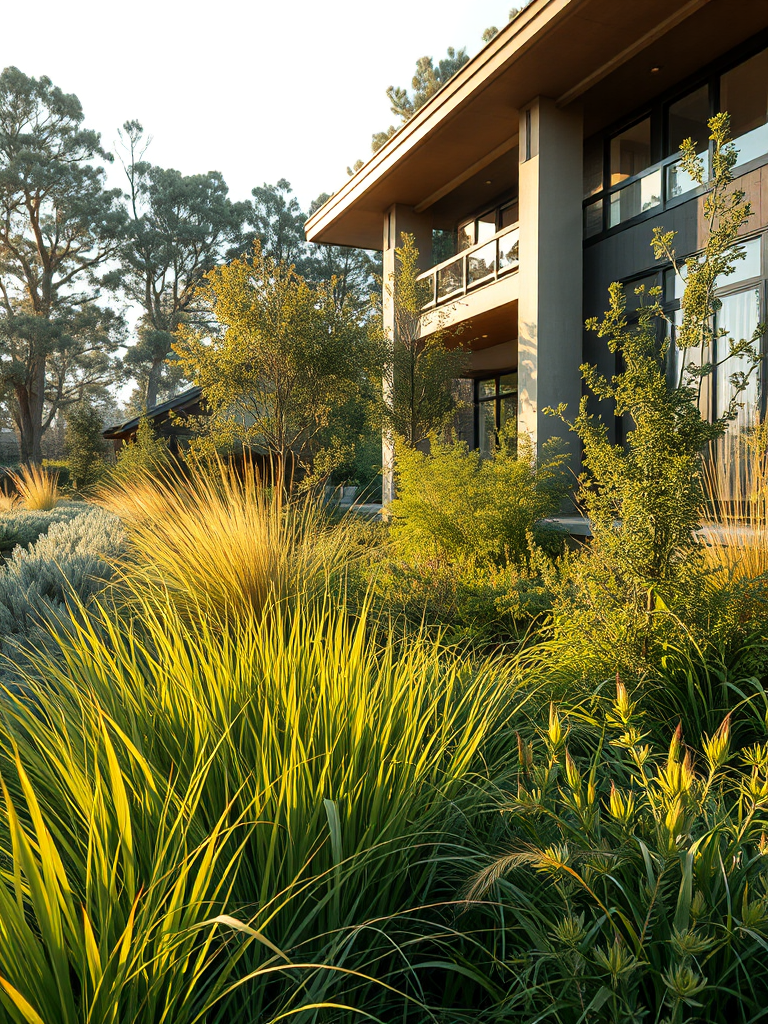
- Layering: Mix canopy trees, understory shrubs, and groundcovers for structural depth.
- Patience: Expect native plants to take two to three years to fully mature.
- Sourcing: Buy only from reputable local nurseries that specialize in regional ecotypes.
The Investment in a Native Landscape: Cost and Long-Term Value
Investing in professional ecological landscape design cost structures requires understanding your goals. Initial installation costs vary widely depending on project scale.
Typical professional projects range from a few thousand dollars for modest installations to six figures. Many design-build firms quote ranges from $2,000 to $100,000.
The upfront cost includes site analysis, soil preparation, and high-quality plant material. Sourcing major native trees adds to the initial budget.
However, long-term savings accrue from drastically reduced irrigation and maintenance. You will spend less on commercial lawn care services and chemical products.
This makes native-focused designs highly competitive with conventional landscaping over time. Most homeowners recoup their initial investment within five years.
Furthermore, native plant landscaping increases property resilience against extreme weather. This protection is invaluable as climates become more unpredictable.
If you want a low-stress yard that supports local wildlife, this is the perfect solution. It is an intelligent, forward-thinking investment for any modern homeowner.
Start by converting a small portion of your lawn this season. You will quickly see the practical benefits of this sustainable gardening approach.
Frequently Asked Questions
How much water does native plant landscaping actually save?
Once established, native plant landscaping can reduce outdoor water consumption by up to 60 percent. This is because these plants are adapted to local rainfall patterns and develop deep root systems to access deep groundwater.
Are native gardens allowed by modern Homeowners Associations (HOAs)?
Many HOAs now accept native plant landscaping if it is designed with neat borders, pathways, and clear signage. Many states have even passed legislation preventing HOAs from banning drought-tolerant native gardens.
Do native plants attract unwanted pests to my home?
No, native plant landscaping attracts beneficial insects like ladybugs and birds that naturally keep pest populations in check. They balance the local ecosystem rather than creating pest problems.
Can I mix native plants with my favorite non-native flowers?
Yes, you can easily mix them. To maintain ecological benefits, aim for at least 70 percent native biomass to support local wildlife effectively.
How long does it take for a native garden to look established?
Most native plant landscaping projects take about three years to reach maturity. The first year focuses on root growth, the second on establishment, and the third on robust blooms.