

Navigating the complexities of **heat pump installation** can feel overwhelming, especially when trying to understand the real costs involved. Many homeowners worry about upfront expenses, hidden fees, and whether a heat pump can truly perform in colder climates. This guide cuts through the noise, offering concrete cost breakdowns, detailing significant savings through rebates, and confirming the proven reliability of modern systems to help you make a smarter buying decision.
Quick Takeaways
- A typical air-source heat pump for a 2,000 sq ft home costs $8,700-$21,000 before incentives.
- State and utility rebates can reduce out-of-pocket expenses significantly, often to $13,000-$14,000.
- Modern cold climate heat pumps are reliable even in severe winter temperatures.
- Ductless mini-split systems offer flexible zone control, starting around $5,150 for single zones.
- Expect potential electrical panel upgrades if your home is older, adding $5,050-$7,350 to costs.
- Understanding Heat Pump Installation Costs: What to Expect
- Ductless vs. Ducted: Mini-Split Heat Pump System Costs
- Cold Climate Heat Pumps: Performance and Pricing for Northern Homes
- Maximizing Savings: Heat Pump Rebates and Incentives
- Replacing Your Furnace with a Heat Pump: Pros and Considerations
- Finding Qualified Heat Pump Contractors Near You
- Key Takeaways
- Practical Verdict & CTA
- FAQ Section
Understanding Heat Pump Installation Costs: What to Expect
The initial sticker price for a heat pump installation can be intimidating, but it’s important to understand the factors that contribute to the overall cost. These systems are an investment in your home’s long-term energy efficiency and comfort. To truly maximize savings, also consider sealing air leaks around doors and windows with effective weather stripping, a simple step that complements your heat pump by preventing significant heat loss or gain. Prices vary significantly based on the type of system, your home’s size, and regional labor rates.
For a typical air-source unit in a 2,000-square-foot house, you might expect costs to range from about $8,700 to $21,000 before any incentives. This figure includes the equipment, labor, and necessary permits. A whole house heat pump system, particularly a ducted one, often falls into the $9,000-$24,000 range, with a median cost around $19,500. It’s a broad range because every home has unique requirements, from existing ductwork condition to electrical panel capacity.
When considering a heat pump installation, remember that these are comprehensive systems that handle both heating and cooling. This means you’re replacing two separate units with one efficient solution. The technology behind modern heat pumps has advanced considerably, offering reliable performance even in conditions that once made homeowners hesitant about making the switch.
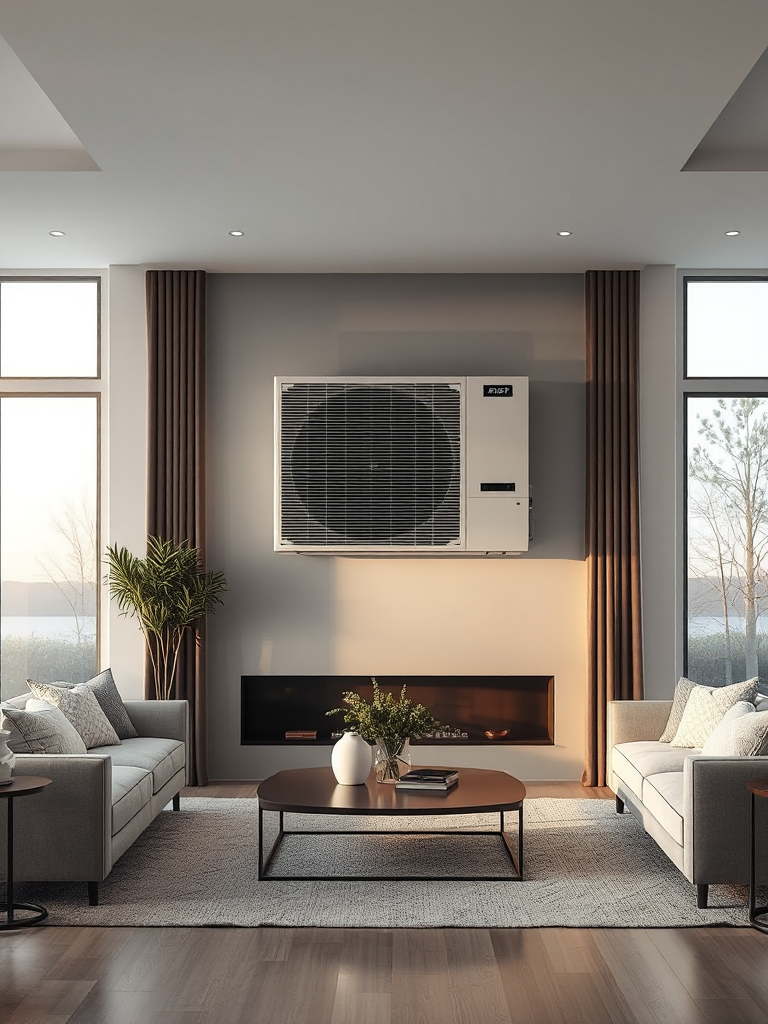
Ductless vs. Ducted: Mini-Split Heat Pump System Costs
When exploring a new heat pump installation, one of the primary decisions revolves around ductwork: do you need it, or can you go ductless? Each option comes with its own cost structure and suitability for different homes. Understanding these differences is crucial for smart planning.
Ductless mini-split heat pump systems are an excellent choice for homes without existing ductwork, additions, or for creating zoned heating and cooling. Maintaining these units with a dedicated mini-split cleaning kit ensures optimal airflow and efficiency, extending their lifespan. A single-zone ductless mini-split installation can cost anywhere from $5,150 to $25,700. This wide price range depends on the unit’s capacity, brand reputation, and the complexity of the installation. Multiple indoor units, though, mean higher costs.
Traditional ducted systems, as mentioned, are generally for whole-house heat pump solutions where existing ductwork can be utilized or new ducts can be installed. While typically more expensive upfront than a single-zone mini-split, they offer uniform climate control throughout an entire home. The choice ultimately depends on your home’s layout and your specific needs for a heat pump installation.
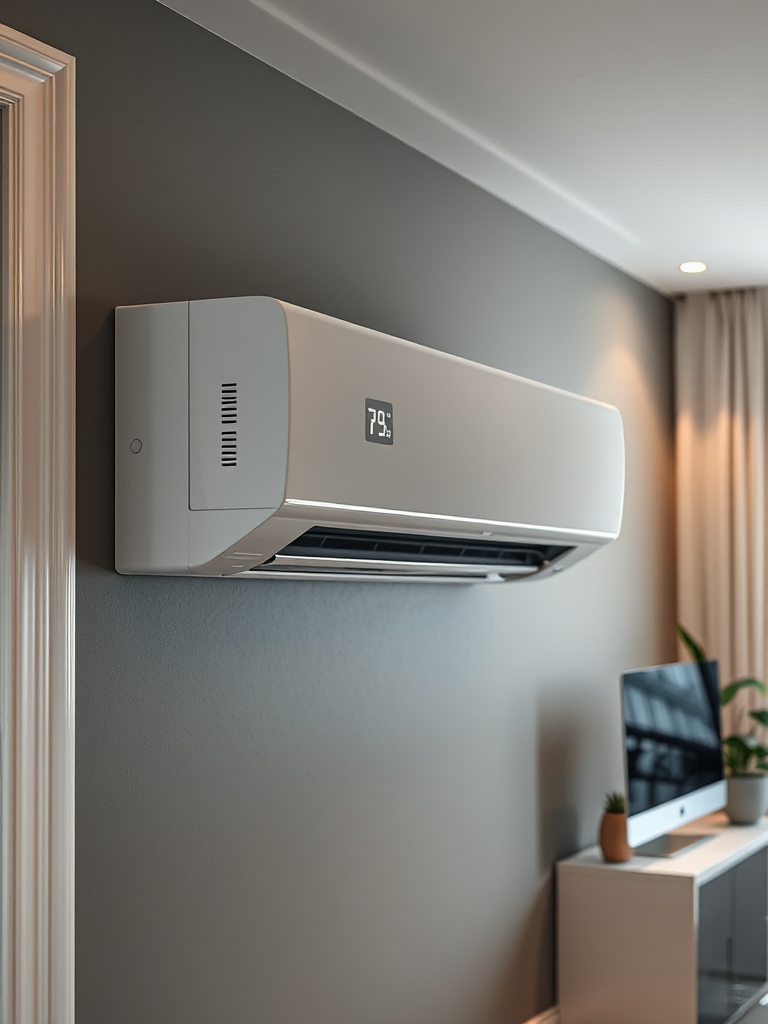
Cold Climate Heat Pumps: Performance and Pricing for Northern Homes
For homeowners in colder regions, the question of a heat pump’s reliability has long been a sticking point. Thankfully, modern cold climate heat pump technology has addressed these concerns head-on. These specialized units are designed to extract heat from even frigid outside air, performing efficiently when temperatures drop well below freezing.
A cold climate air-source model often falls between $11,300 and $30,700, with a median around $12,900 for a comprehensive system. These systems tend to be more expensive to buy and install compared to standard heat pumps, sometimes costing $10-$16 per square foot installed. The higher price tag reflects the advanced compressors, refrigerants, and components necessary to deliver consistent warmth in severe conditions.
Recent reviews of cold climate heat pumps consistently show they can reliably heat homes even in severe winter temperatures. This performance makes them a viable, energy-efficient alternative to traditional furnaces, even in places like the Northeast or Midwest. While the upfront heat pump installation cost is higher, the long-term energy savings can significantly offset this investment, especially with available incentives.
Maximizing Savings: Heat Pump Rebates and Incentives
One of the most attractive aspects of a heat pump installation in 2026 is the substantial financial incentives available. While the federal tax credit for home energy efficiency upgrades ended in 2025, state and utility programs have stepped up to fill the void. These rebates can dramatically reduce your out-of-pocket expenses.
Many homeowners can lower their actual heat pump installation cost to the $13,000-$14,000 range, thanks to these generous state and utility rebates. This makes an otherwise significant investment far more accessible. Programs like Massachusetts’ up-to-$8,500 rebate for whole-house air source heat pumps are excellent examples of how much you can save.
It’s also worth checking for Xcel-energy incentives or similar programs from your local utility provider. These often provide direct rebates or low-interest financing for energy-efficient upgrades. Always research available incentives in your specific area before getting quotes, as they can greatly influence your final investment in an air source heat pump.
Replacing Your Furnace with a Heat Pump: Pros and Considerations
For many homeowners, the journey to a heat pump installation begins with an aging furnace and air conditioner. Replacing these older, less efficient systems with a modern heat pump brings a host of benefits. The primary advantages include significant efficiency gains, lower fuel bills, and eligibility for the aforementioned incentives. Furthermore, it helps reduce your household’s carbon emissions.
The transition, however, isn’t always a simple swap. One crucial consideration is your home’s electrical panel. Older homes, in particular, may require an electrical panel upgrade to accommodate the power demands of a new heat pump system, and a whole home energy monitor can help you understand your current usage patterns before making significant electrical changes. This upgrade can add a substantial cost, often ranging from $5,050 to $7,350. It’s a necessary investment to ensure safe and efficient operation.
Additionally, if you’re replacing a furnace with a heat pump, your existing ductwork needs a thorough inspection. While a new heat pump can often utilize existing ducts, they must be properly sized and sealed for optimal performance, and adding a high-quality duct insulation wrap can further prevent energy loss within the system. Poor ductwork can negate some of the efficiency benefits, making a heat pump installation less effective than it should be.
Finding Qualified Heat Pump Contractors Near You
The success and efficiency of your heat pump installation hinge heavily on the quality of the contractor you choose. Finding qualified whole-house heat pump contractors is paramount for a smooth process and a system that performs as expected. Don’t simply go with the cheapest bid.
You can typically find reputable professionals through local HVAC dealer networks. Many manufacturers have certified installers listed on their websites, which ensures they are trained specifically on their products. Online contractor directories are another good starting point, but always verify credentials and read customer reviews.
A skilled contractor should be able to handle both ducted and ductless installations, offering tailored advice for your home. They should conduct a thorough home energy audit, properly size the system, and clearly explain the heat pump installation process, including any potential electrical or ductwork modifications. Get multiple quotes and ensure each contractor provides a detailed breakdown of costs and services.
Industry Standards & Trusted Resources
Understanding the industry standards and relying on trusted resources can help you make an informed decision about your heat pump installation. Organizations like ENERGY STAR provide certifications that signify energy efficiency. Always look for ENERGY STAR rated heat pumps, as these typically qualify for more rebates and promise lower operating costs. You can explore their official site for certified product lists and further guidance on energy efficiency.
Consumer Reports offers unbiased reviews and testing of various heat pump models, giving homeowners a real-world perspective on performance and reliability. Their reports often detail how well specific cold climate heat pumps perform in various conditions, which is invaluable for northern homeowners. Checking their latest findings can help you narrow down reliable brands and models.
For a broader understanding of home electrification costs and benefits, including heat pump installation, resources like Rewiring America offer comprehensive guides and data. They provide insights into the financial incentives and long-term savings associated with switching to electric appliances. Their tools can help estimate your potential savings and map out the electrification journey for your home.
ENERGY STAR is an excellent resource for identifying high-efficiency heat pumps. Their certification ensures a product meets strict energy performance standards. Choosing an ENERGY STAR certified model is often a prerequisite for state and utility rebates, maximizing your savings on heat pump installation.
Consumer Reports provides independent reviews and ratings for whole-house heat pumps. Their in-depth testing helps consumers understand real-world performance, durability, and features, assisting in selecting the best unit for a heat pump installation. This can save you from buyer’s remorse later on.
Rewiring America offers valuable data and cost estimates for home electrification projects, including heat pump systems. Their articles detail the financial benefits and environmental impact of transitioning to electric appliances, providing a macro view of the investment. This comprehensive approach is useful for long-term planning.
Advanced Analysis & Common Pitfalls
Choosing the right heat pump involves more than just the initial price tag; it requires a deeper look into the technology and potential long-term issues. While modern heat pumps are highly efficient, some advanced features, like variable-speed compressors, come with higher repair costs if they malfunction outside of warranty. Always consider the availability and cost of replacement parts.
One common pitfall in heat pump installation is incorrect sizing. An undersized unit will struggle to heat or cool your home effectively, leading to discomfort and increased energy bills. Conversely, an oversized unit will short-cycle, reducing its lifespan and efficiency. A proper load calculation performed by a qualified contractor is non-negotiable.
Compatibility with existing systems is another hurdle. If you’re opting for a hybrid system with a furnace, ensuring the furnace is compatible with the new heat pump can prevent future headaches. Some older furnace models may not work optimally with newer heat pump technology, leading to suboptimal performance or even premature failure of components.
| Feature/Aspect | Standard Air-Source Heat Pump | Cold Climate Air-Source Heat Pump | Ductless Mini-Split Heat Pump |
|---|---|---|---|
| Initial Cost (before rebates) | $8,700 – $21,000 | $11,300 – $30,700 | $5,150 – $25,700 (single-zone) |
| Best for | Moderate climates, replacing existing ducted AC/furnace | Cold climates (sub-zero temps), year-round heating/cooling | Homes without ducts, additions, zone control needs |
| Winter Performance | Effective down to ~30-40°F, then backup heat kicks in | Effective down to ~-15°F or lower, primary heating source | Excellent for zoned heating, often with good cold weather performance |
| Installation Complexity | Moderate, depends on existing ductwork | Moderate to high, requires specialized knowledge for optimal performance | Lower for single-zone, higher for multi-zone with multiple indoor units |
| Electrical Panel Upgrade Likely? | Possible, especially in older homes | More likely due to higher power draw | Possible, especially for multi-zone systems |
| Noise Level | Quiet outdoor unit, indoor airflow noise | Quiet outdoor unit, specific models optimized for low noise | Very quiet indoor units, virtually silent operation |
Key Takeaways
- Cost Variation: Heat pump installation costs vary significantly based on system type, home size, and regional labor, but state and utility rebates are crucial for reducing the final price.
- Cold Climate Reliability: Modern cold climate heat pumps are proven to effectively heat homes even in severe winter temperatures, debunking previous concerns.
- Ductwork Decisions: Choose between traditional ducted systems for whole-house comfort or flexible ductless mini-splits for targeted zone control or homes without existing ducts.
- Incentives are Key: Leverage state and utility rebates, which have largely replaced the federal tax credit, to make a heat pump installation more affordable.
- Contractor Selection: The quality of your contractor is vital; seek qualified professionals for proper sizing, installation, and to ensure long-term efficiency and reliability.
Practical Verdict & CTA
Investing in a heat pump installation is a smart move for most homeowners looking to cut energy bills and reduce their carbon footprint. If you’re currently relying on an aging furnace and separate AC unit, the efficiency gains alone are compelling. Modern heat pumps, even in cold climates, offer reliable, year-round comfort. However, be prepared for potential electrical panel upgrades, especially in older homes, as this can add a significant chunk to the upfront cost.
This technology is ideal for the environmentally conscious homeowner who also values long-term savings. If your budget is tight, thoroughly research available rebates to bring down the overall heat pump installation cost. For those with older homes or unique heating/cooling needs, a thorough consultation with a qualified whole house heat pump contractor is essential. Don’t rush the decision. Gather multiple quotes, explore all available incentives, and choose a contractor who can clearly explain the process and address any specific concerns about your home. Start gathering those quotes today to unlock significant savings and improved home comfort.
FAQ Section
How much does a typical heat pump installation cost for a 2,000 sq ft home?
For a 2,000 square foot home, a typical air-source heat pump installation can range from approximately $8,700 to $21,000 before applying any rebates or incentives. This cost can fluctuate based on the specific equipment, labor rates, and any necessary ductwork or electrical upgrades.
Can a heat pump really work efficiently in cold climates?
Yes, modern cold climate heat pumps are specifically engineered to perform efficiently even in severe winter temperatures, often down to -15°F or lower. Recent reviews confirm their reliability, making them a viable heating solution for northern homes. While the heat pump installation cost might be higher for these models, their energy savings are substantial.
What kind of rebates or incentives are available for heat pump installation?
While the federal tax credit ended in 2025, many state and utility companies offer significant rebates and incentives. Programs like Massachusetts’ up-to-$8,500 rebate or various Xcel-energy incentives can considerably reduce your out-of-pocket expenses for a heat pump installation. It’s crucial to check local and state government websites, as well as your utility provider’s site, for current offers.
Is an electrical panel upgrade always necessary for a new heat pump installation?
Not always, but it is often required, particularly in older homes. Heat pumps draw more electricity than older furnaces or AC units, so an older electrical panel may not have the capacity. An electrical panel upgrade can add an additional $5,050-$7,350 to the total cost of your heat pump installation, but it’s a critical safety and performance consideration.
How do I find a qualified contractor for a heat pump installation?
To find a qualified contractor, start by checking local HVAC dealer networks and online directories. Look for contractors with certifications in heat pump technology and positive customer reviews. Always get multiple detailed quotes and ensure the contractor performs a thorough home assessment and load calculation to properly size your new system.
[…] process is similar to a professional heat pump installation. Always hire a licensed […]
[…] clearer understanding of how to manage project costs effectively, exploring comprehensive guides on heat pump installation can offer insights into efficient energy solutions for your new living space, potentially reducing […]