

Upgrading your kitchen can be stressful, but choosing an induction cooktop is a smart move.
Traditional cooking methods often feel slow and inefficient. This technology offers a faster, cleaner, and much safer alternative.
Quick Takeaways
- Boils water twice as fast as traditional gas burners.
- Eliminates harmful indoor air pollutants like benzene and nitrogen dioxide.
- Stays cool to the touch, drastically reducing household burn risks.
- The Health & Safety Revolution: Why Induction Wins Over Gas
- Induction vs. Gas: A Direct Comparison of Cooking Performance & Efficiency
- Industry Standards & Trusted Resources for Safer Kitchens
- Top Induction Cooktops of 2026: Performance Meets Modern Design
- Integrated Induction Hobs: Installation & Seamless Kitchen Integration
- Understanding Costs: Induction Range Kitchen Prices & Value
- Addressing Common Induction Cooktop Concerns & Complaints
- Key Takeaways on Upgrading Your Kitchen
- Practical Verdict & CTA
- Frequently Asked Questions
The Health & Safety Revolution: Why Induction Wins Over Gas
Cooking technology has evolved slowly over the last century. Most kitchens still rely on methods designed decades ago.
Traditional gas and radiant electric stoves transfer heat inefficiently. They warm the surrounding air instead of heating the pot.
This thermal waste creates hot, uncomfortable cooking environments. It also wastes precious energy in your household.
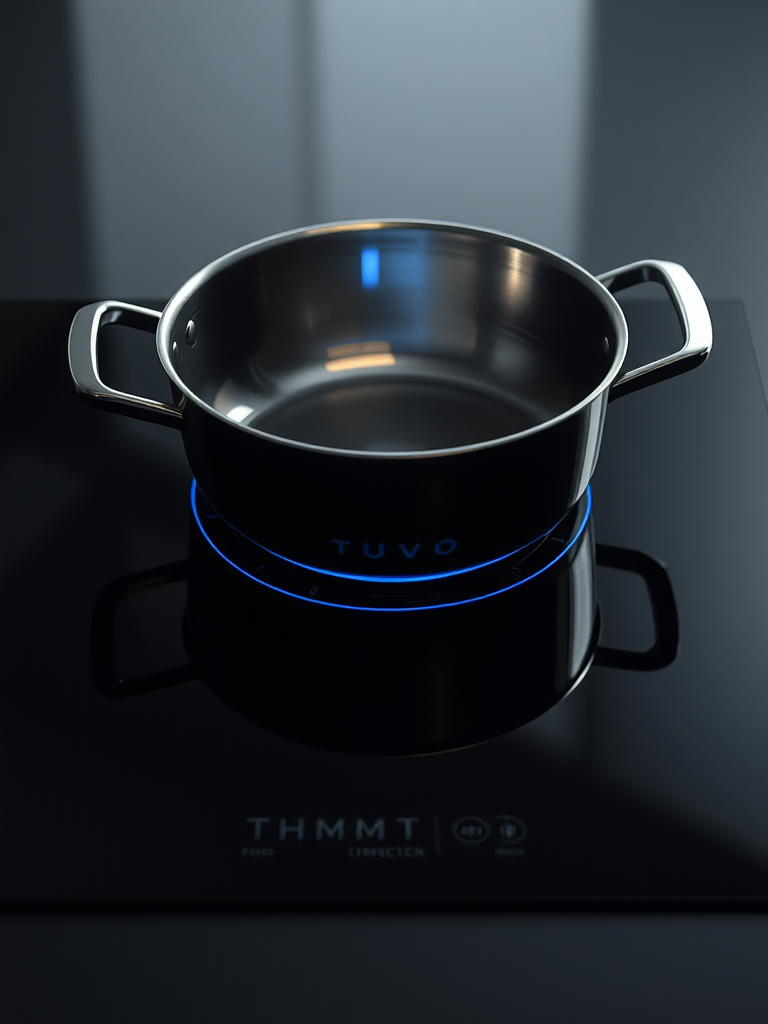
A modern induction cooktop solves this problem elegantly. It uses electromagnetism to heat the pan directly.
Beneath the glass surface sits a powerful copper coil. When turned on, it creates an alternating magnetic field.
This field induces an electrical current inside magnetic cookware. The pan itself becomes the heat source instantly.
Many families prioritize induction cooktop health safety during home renovations. They want to avoid open flames entirely.
Gas stoves release harmful combustion byproducts into the air. These pollutants linger in your living spaces for hours.
Choosing a no off-gas cooking appliance protects your family’s lungs. It is a critical health decision.
Induction cooktops “produce virtually no indoor air pollutants—no methane, benzene, nitrogen dioxides or volatile organic compounds are emitted.”
Traditional electric burners also present safety hazards. They stay hot long after you turn them off.
In contrast, an induction cooktop cools down almost instantly. This drastically reduces accidental burn risks in the kitchen.
This makes the induction cooktop the safest choice for busy households. It offers true peace of mind for parents.
Modern homeowners are demanding smarter, healthier kitchens. This trend is driving rapid adoption of electromagnetic cooking.
Traditional methods feel outdated compared to modern home systems. For example, many homes now use an automated AI climate control system to manage energy.
Coupling smart climate systems with an efficient stove makes perfect sense. It lowers your home’s total energy footprint.
Gas lines also introduce potential leak hazards into your home. These risks are completely eliminated with electric cooking.
This makes the induction cooktop a health-conscious and safe alternative. It is the future of residential cooking.
Upgrading is a direct investment in your family’s daily well-being. It simplifies your life while protecting your health.
Induction vs. Gas: A Direct Comparison of Cooking Performance & Efficiency
Comparing an induction cooktop vs gas cooking reveals a stark performance gap.
Gas stoves look powerful, but they lose over half their energy. That waste heat escapes directly into your kitchen.
An induction cooktop transfers roughly 90 percent of its energy to the food. This is incredibly efficient.
This efficiency translates to unmatched boiling speed. Water boils in half the time compared to gas stoves.
“Induction offers precise, rapid temperature control, instant cool-down, and easier cleanup, and generally outperforms every other kind of cooktop in Consumer Reports’ tests.”
Temperature adjustments occur instantly. There is no delay while a metal burner cools down.
This precision is perfect for delicate tasks. You can melt chocolate without a double boiler.
It also makes searing steaks incredibly consistent. The pan maintains its heat perfectly under heavy loads.
Cleaning up after cooking is a breeze. Because the glass surface remains cool, spills do not burn.
You can simply wipe the glass with a damp cloth. No scrubbing of heavy iron grates is required.
This saves valuable time every single day. It makes kitchen maintenance effortless for busy families.
This combination of speed and easy cleanup is revolutionary. It changes how you interact with your kitchen.
Professional chefs are also making the switch. They value the instant heat response during busy shifts.
Gas flames can flicker and distribute heat unevenly. This creates annoying hot spots on your cookware.
An induction cooktop heats the entire pan bottom uniformly. This prevents burning and ensures even cooking.
You can simmer delicate sauces for hours without scorching. The temperature control is incredibly precise.
This level of control is impossible with standard electric coils. It matches or exceeds the responsiveness of gas.
The transition requires a slight adjustment to your habits. However, most users never want to go back.
Industry Standards & Trusted Resources for Safer Kitchens
Federal guidelines increasingly support clean electric appliances. You can read the official product reviews on Wirecutter to see hands-on testing.
Consumer organizations also track safety metrics closely. Explore detailed ratings on Consumer Reports to compare appliance brands.
The scientific principles of electromagnetic heating are well documented. Learn about the physics behind this tech on Wikipedia today.
Appliance manufacturers also publish detailed design guidelines. Review official product specifications on KitchenAid to plan your kitchen layout.
Top Induction Cooktops of 2026: Performance Meets Modern Design
Finding the best induction cooktop 2026 has to offer depends on your budget.
Modern brands have made massive leaps in user interface design. Control panels are now highly responsive.
“The top 2026 models highlighted for performance, design, and reliability are the Bosch 800 Series NIT8661UC, the GE Profile PHP9036, and the high-end Miele KM 7740 FR.”
The Bosch 800 Series is highly regarded for its sleek look. It offers precise power level adjustments.
Its AutoChef sensor monitors pan temperature constantly. This prevents food from burning.
The GE Profile PHP9036 offers excellent value. It features guided cooking technology via Bluetooth.
You can connect it to smart pans for perfect results. This makes cooking fool-proof.
For those seeking luxury, the Miele KM 7740 FR is unmatched. It features premium materials and ultra-quiet operation.
Each of these models represents a significant kitchen upgrade. They bring commercial-grade performance to your home.
Choosing any of these ensures a reliable cooking experience. They are designed to last for decades.
When comparing these units, consider your cookware layout. Some offer bridge zones for griddles.
This flexibility is a hallmark of a great induction cooktop. It adapts to your cooking style.
When shopping, look for models with intuitive touch sliders. They allow for rapid temperature adjustments.
Some 2026 models feature wireless temperature probes. These communicate directly with the cooktop.
They monitor the internal temperature of your food. This ensures perfect roasts and stews every time.
Selecting the best induction cooktop 2026 has to offer will elevate your culinary skills.
Consider the layout of your current kitchen. These models come in standard 30-inch and 36-inch sizes.
Choose a size that fits your cooking habits. A larger surface offers more flexibility for multiple pans.
Integrated Induction Hobs: Installation & Seamless Kitchen Integration
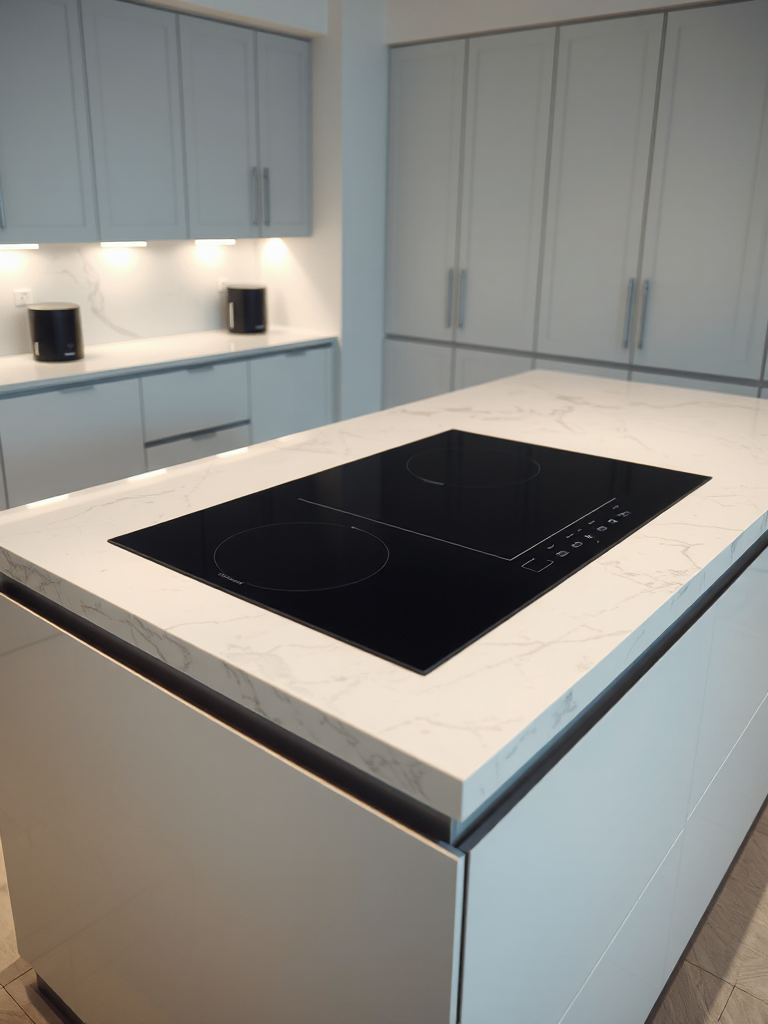
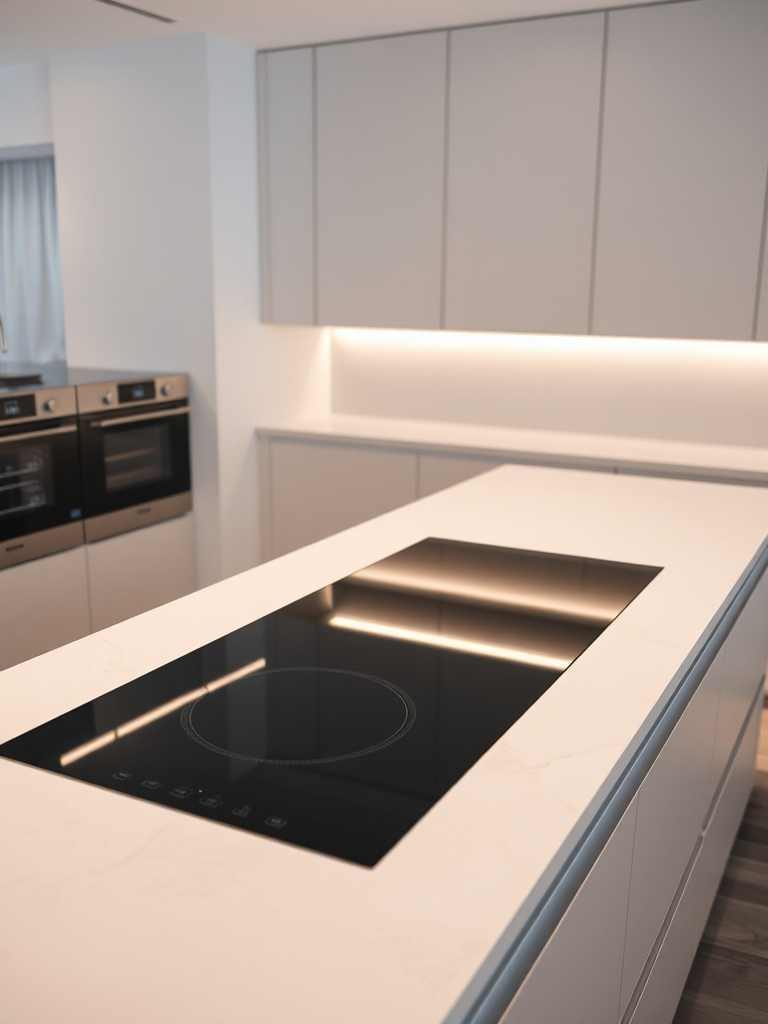
Integrating your appliance into the counter creates a clean look. An integrated induction hob fits flush with stone countertops.
This design eliminates crumb-catching edges. It creates a continuous work surface.
“Integrated induction hobs are installed flush into countertops or cabinets, typically require only a dedicated 240-V circuit and minimal ventilation, and can be paired with built-in venting or none at all depending on local codes.”
Planning an induction range kitchen requires coordinate planning with an electrician.
Most homes need a dedicated 40-amp or 50-amp circuit. This ensures the cooktop has adequate power.
This process is similar to a professional heat pump installation. Always hire a licensed electrician.
You must also consider the physical dimensions of the cutout. Precise cabinet measurements are essential.
Some premium models feature built-in downdraft exhausts that pull smoke and steam downward silently and efficiently. This eliminates the need for a bulky overhead hood, making it a perfect solution for open kitchen islands.
A high-performance induction cooktop requires adequate airflow underneath.
Ensure your cabinetry has the recommended clearance. This prevents overheating and extends appliance lifespan.
A well-installed unit looks beautiful and performs flawlessly. It is the centerpiece of a modern kitchen.
Flush-mounted hobs require skilled countertop fabrication. The stone must be cut with extreme precision.
This premium look is highly sought after in modern design. It creates a seamless flow across your counters.
These units are incredibly sleek. They blend into the kitchen background when not in use.
You can even use the cooktop area as extra prep space. The glass surface is tough and flat.
This makes it perfect for smaller kitchens. It maximizes your usable counter space.
Designing a modern kitchen is an exciting project. It completely transforms your cooking environment.
Understanding Costs: Induction Range Kitchen Prices & Value
Upfront costs can be higher than traditional gas units. However, long-term energy savings offset the initial price.
“Price ranges for full-size induction ranges run from about $1,200-$2,500 for mainstream units to $3,500-$5,000 or more for premium models, while countertop cooktops start near $600.”
Analyzing induction range kitchen prices helps set a realistic budget.
You should also factor in potential electrical upgrades. Adding a 240-volt outlet can add to the installation cost.
However, many local governments offer rebates for switching to electric. These incentives lower the overall investment.
Think of this upgrade as a long-term property investment. It is similar to completing an ADU garage conversion.
It increases home value while reducing your carbon footprint. Buyers love modern, efficient kitchens.
A high-quality portable induction cooktop serves as an affordable, energy-efficient entry point. These compact single-burner units heat up incredibly fast, letting you test the technology first without a full kitchen remodel.
These single-burner units are perfect for small apartments. They offer the same speed in a compact size.
Investing in a full-size range is a larger commitment. Yet, the daily time savings make it worthwhile.
Consider the durability of the glass surface on your induction cooktop.
This durability ensures your kitchen looks pristine for years. It is a smart financial and aesthetic choice.
While the initial purchase price is higher, look at the lifetime cost. You will save money on utility bills.
Gas prices can fluctuate wildly. Electricity offers more stable and predictable cooking costs.
These premium range prices are offset by improved home efficiency. They align with modern green building standards.
Many buyers are willing to pay a premium for these appliances. They look for them during home searches.
This makes it a smart upgrade before selling. It modernizes the home instantly.
Focus on quality brands that offer strong warranties. This protects your investment for the long haul.
Addressing Common Induction Cooktop Concerns & Complaints
It is important to look at potential drawbacks honestly. No kitchen appliance is completely perfect.
Let us examine some common induction cooktop problems complaints from real users.
“Common consumer complaints include the need for compatible magnetic cookware, occasional audible buzzing, error codes if the pan is removed too quickly, and rare cases of the surface heating up if left empty, but overall users praise the speed, efficiency, and safety of induction cooking.”
You can easily solve potential performance issues by selecting the right compatible magnetic cookware, which ensures whisper-quiet operation and incredibly even heat distribution.
Lightweight pans tend to vibrate at high frequencies under electromagnetic currents. Solid cast iron offers a heavy, durable base that eliminates this vibration entirely while providing superior heat retention for flawless searing.
Error codes can be frustrating for new users. They usually occur when a pan is lifted.
The cooktop automatically shuts off power when no pan is detected. Simply place the pan back to resume.
This feature is actually a major safety benefit. It prevents empty burners from wasting energy.
Some users worry about scratching the glass. Avoid sliding rough pans across the surface.
Using microfiber cloths and specialized cleaners keep the glass shiny, protecting your premium cooktop surface from micro-abrasions over years of heavy use. Routine maintenance prevents scratches.
Overall, satisfaction rates for these appliances are incredibly high. The benefits far outweigh the minor learning curve.
Understanding these details helps you transition smoothly. You will cook with confidence from day one.
Some users complain about the fan noise. The internal electronics require cooling fans.
This noise is usually very quiet. It is easily masked by the sound of sizzling food.
You may also need to adjust your cooking style. Because it heats so fast, prep your ingredients first.
Do not leave empty pans on a turned-on zone. The rapid heat can damage the cookware.
Following these simple guidelines prevents almost all issues. It ensures a safe and enjoyable experience.
Modern technology has resolved most historical complaints. Today’s units are more reliable than ever.
| Feature | Induction Cooktop | Gas Stove |
|---|---|---|
| Energy Efficiency | ~90 percent | ~40 percent |
| Boil Time (1L Water) | ~2 Minutes | ~4+ Minutes |
| Air Quality Impact | Zero Emissions | High (Benzene, NO2) |
| Surface Safety | Cool to Touch | Extremely Hot |
Key Takeaways on Upgrading Your Kitchen
- Point: Healthier indoor air with zero gas emissions.
- Point: Extreme energy efficiency keeps kitchens cooler.
- Point: Quick temperature adjustments surpass traditional gas stoves.
- Point: Safety is enhanced because the cooktop surface stays cooler.
- Point: Simple maintenance saves you hours of cleaning time.
Practical Verdict & CTA
Upgrading to an induction cooktop is a smart, modern decision. It delivers professional performance.
Active home cooks will appreciate the speed and precision. If you want a safer kitchen, buy an induction cooktop today.
Homeowners planning a remodel should prioritize this upgrade. The health benefits alone make it a clear winner.
While the initial cost is higher, the long-term value is undeniable. Your family deserves a modern, toxin-free kitchen.
Take time to research the electrical requirements before buying. Hire a professional electrician to ensure a smooth transition.
Ready to transform your culinary experience? Explore the top-rated models of 2026 and upgrade your home today!
Frequently Asked Questions
Do I need special pots and pans for an induction cooktop?
Yes, you must use magnetic cookware like cast iron or magnetic stainless steel. Aluminum, copper, and glass pans will not work on an induction cooktop.
Is induction cooking safer than gas?
Absolutely. There are no open flames, and the surface remains cool. It also eliminates harmful indoor air pollutants entirely.
Why does my induction cooktop make a buzzing noise?
A slight buzzing is normal, especially with lighter pans at high power settings. Using heavy-bottomed cookware on your induction cooktop will minimize this sound.
Does induction cook faster than gas?
Yes, it heats pans directly through electromagnetism. This allows it to boil water and cook meals twice as fast as gas.
What are the electrical requirements for installation?
Most full-size units require a dedicated 240-volt circuit with a 40-amp or 50-amp breaker. Always consult an electrician before installing an induction cooktop.