

If you are tired of paying grocery store prices for half-dead bouquets, setting up cutting garden plans is the smartest weekend project you can tackle.
Growing your own fresh flowers allows you to harvest customized arrangements directly from your backyard. Let’s look at how to design a high-yield plot that produces continuously from spring to frost.
Quick Takeaways
- Raised beds offer the best drainage and easiest harvesting access.
- Direct-sowing easy annuals is cheaper and more reliable for beginners.
- Pinching stems early is the key to doubling your flower harvest.
- Designing Your Cutting Garden: Practical Layout Strategies
- The Best Flowers for Your Bouquet Garden
- Kickstarting Your Cutting Garden: Beginner-Friendly Advice
- Zinnia & Dahlia Dream Team: A Dedicated Design for Continuous Blooms
- Beyond Blooms: Enhancing Your Cutting Garden with Foliage & Herbs
- Cultivating Success: Essential Care for Abundant Harvests
- Industry Standards & Trusted Resources
- Advanced Analysis & Common Pitfalls
- Key Takeaways
- Practical Verdict & CTA
Designing Your Cutting Garden: Practical Layout Strategies
When sketching out your first cutting garden plans, layout efficiency is everything. Unlike traditional landscape beds, a cutting plot requires easy accessibility to every single plant.
If you cannot reach the center, you will crush stems during harvest.
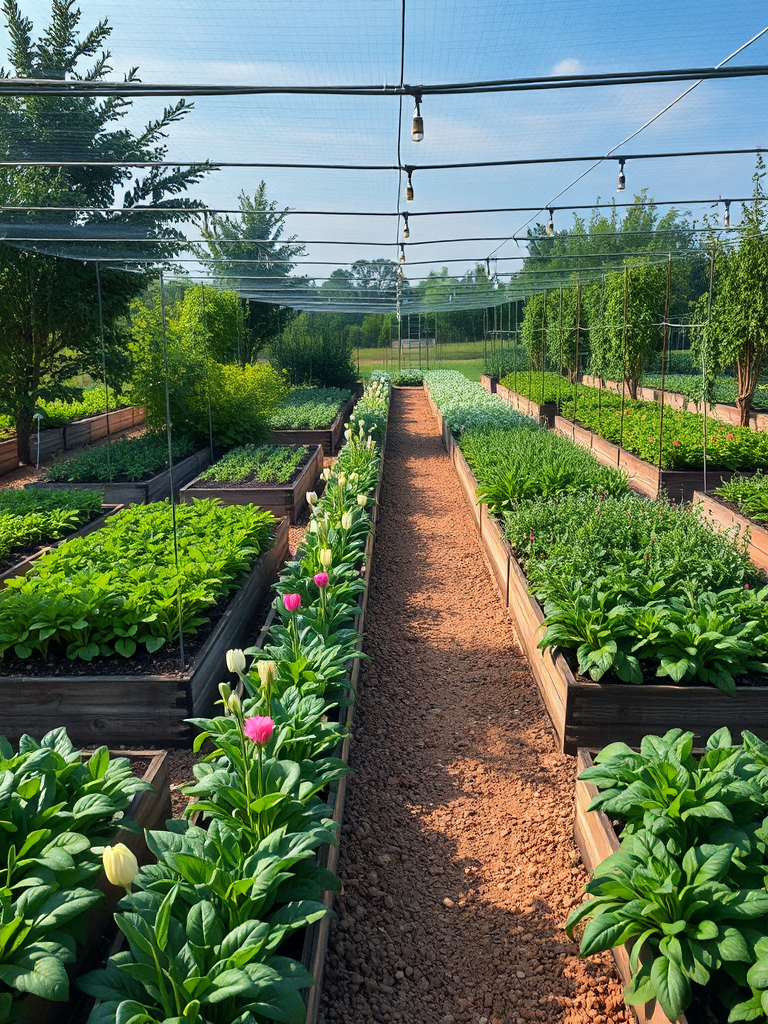
A practical cutting-garden layout can utilize a highly durable, deep-soil flexible raised-bed or a series of 1-foot-deep by 3-foot-wide sections arranged in rows.
This spacing ensures you can comfortably snip stems without stepping into the growing zone.
Alternatively, a rectangular 12-by-4-foot bed works beautifully for medium-sized backyards. Using systematic cutting garden plans prevents you from stepping on delicate stems during daily maintenance.
Height placement is another common trap for beginners. Taller bloomers such as dahlias, sunflowers, and cosmos must be placed toward the back of your beds.
Place medium-height plants like zinnias, scabiosa, and snapdragons in the middle row. Shorter varieties such as verbena, ageratum, and basil belong at the front for easy reach.
This staggered layout prevents tall plants from shading out smaller, sun-loving varieties. Standard landscape designs often ignore this, resulting in leggy, weak stems that flop over instantly.
Many home gardeners assume they can just scatter seeds randomly. Without deliberate cutting garden plans, your plot quickly becomes a tangled, unmanageable jungle of weeds and rotting stems.
Optimizing Row Systems for High Output
For larger yards, row systems are the standard because they allow you to utilize drip irrigation easily. Keeping rows roughly three feet wide prevents you from stretching too far.
Paths between rows should be wide enough for your lawn tools or a wheelbarrow. This is especially true if you plan to use a robotic lawn mower to maintain the pathways.
Raised Beds vs. In-Ground Beds
Raised beds offer superb drainage and are easier on your back during long harvesting sessions. However, they cost significantly more to fill with premium soil mixes upfront.
In-ground beds are cheap but require intensive tilling and weeding. Heavy clay soils will also stunt your plants unless you amend them heavily with organic compost.
The Best Flowers for Your Bouquet Garden
Selecting the best flowers for cutting requires choosing varieties that hold up well in vases. Your cutting garden plans should focus on high-yield, repeat-blooming varieties rather than one-hit wonders.
The best flowers for cutting include zinnias, dahlias, sunflowers, cosmos, and snapdragons. Adding marigolds, calendula, gomphrena, and hydrangeas provides an excellent mix of textures for complex bouquet design.
For zinnias, look for specific high-performance cultivars. Benary’s Giant, Queen Lime, and Lilliput are industry standards for a reason.
They offer stiff, long stems and incredible vase life.
To make these cutting garden plans work, select flowers with strong stems. Weak-stemmed varieties will sag under the weight of their own water-heavy heads.
You should also include a few perennial elements. Combining annuals with long-lasting perennials in your fresh flower garden bed ensures a reliable harvest year after year.
If you want to grow your own cut flowers, diversity is your safety net. If pests attack your dahlias, your cosmos and marigolds will keep the bouquets coming.
Another factor is the balance of focal flowers and filler flowers. Beginner cutting garden plans often make the mistake of growing only large, dramatic focal flowers.
Focal Flowers vs. Fillers
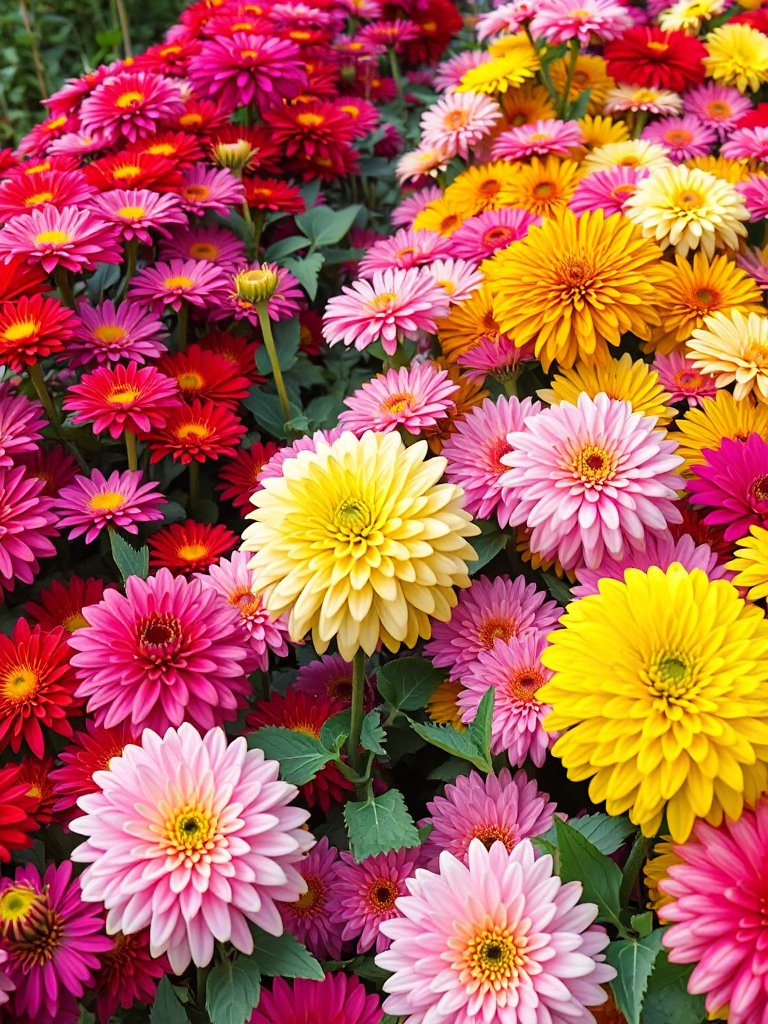
A great bouquet needs a star player, secondary players, and fillers. Dahlias and large zinnias serve as excellent focal points.
Fillers like snapdragons and gomphrena add vertical interest and interesting textures. Without them, your arrangements will look flat and unbalanced.
Vase Life Expectations
Not all pretty flowers make good cut flowers. Some delicate species wilt within hours of being snipped from the plant.
Always research the average vase life before planting new seeds. Zinnias and carnations easily last over a week with basic water changes.
Kickstarting Your Cutting Garden: Beginner-Friendly Advice
Implementing cutting garden plans as a beginner does not require massive acreage or expensive greenhouse setups. Starting small prevents overwhelm and allows you to master basic soil mechanics.
We recommend a dedicated cutting garden for beginners that relies mostly on direct sowing. Planting seeds straight into the warm ground eliminates the stress of indoor seed-starting.
Beginners should start with direct-sown annuals like zinnias, cosmos, and sunflowers after the soil reaches 60 °F. You can easily check this with an easy-to-read basic soil thermometer to guarantee the ground is perfectly warm.
To grow your own cut flowers successfully, supplement these seeds with tuber-planted dahlias and corm-planted gladiolus. These tubers and corms are incredibly reliable and sprout quickly in late spring.
Avoid buying expensive, advanced greenhouse starts at big-box stores. They often experience severe transplant shock, which stunts their early growth and delays your first harvest.
Simple cutting garden plans prioritize direct-sown annuals over finicky greenhouse starts. They are much cheaper, and the plants adapt naturally to your local climate conditions from day one.
Direct Sowing Best Practices
When direct sowing, clear all weeds from the planting bed first. Tiny flower seedlings cannot compete with aggressive weeds for water and light.
Keep the soil consistently damp but not soggy until the seeds sprout. If the soil surface crusts over, delicate sprouts will struggle to break through.
Handling Spring Frosts
Late spring frosts can instantly kill tender annuals. Keep row covers or old bedsheets handy to protect your young plants during cold nights.
Do not rush your planting window in early spring. Waiting one extra week for stable warm weather results in much faster, healthier plant growth.
Zinnia & Dahlia Dream Team: A Dedicated Design for Continuous Blooms
A zinnia-dahlia layout is a staple of many popular cutting garden plans. These two species are absolute powerhouses, producing more blooms the more you cut them.
A dedicated zinnia dahlia garden design can feature a central block of dwarf dahlias spaced one per square foot. This creates a highly compact, structurally stable core.
Surround this central core with concentric zones of bright zinnias in assorted colors. This zinnia dahlia cutting garden design creates a continuous supply of stems for bouquets from mid-summer to frost.
When organizing these cutting garden plans, group your heavy feeders together. Both dahlias and zinnias crave nutrient-rich soil and regular compost top-dressings throughout the active summer season.
Be sure to stake your dahlias early with heavy-duty, weather-resistant supports.
Once they begin blooming, the heavy heads will easily snap weak, unsupported stems during sudden summer rainstorms or high winds.
Dahlia Staking Methods
Single stakes work well for individual prized dahlias. For dense blocks, a corral staking method using sturdy twine and corner posts is much faster.
Set up your support system when the plants are small. Trying to stake a massive, floppy mature plant usually results in broken main stems.
Zinnia Pinching for Maximum Yields
When your zinnias reach about twelve inches tall, pinch off the top growing tip. This feels counterintuitive, but it forces the plant to branch out.
Instead of one single bloom, you will get multiple long, sturdy stems. This simple step doubles your harvestable material instantly.
Beyond Blooms: Enhancing Your Cutting Garden with Foliage & Herbs
Great cutting garden plans balance bright focal blooms with subtle textured greenery. Without foliage, your bouquets will look sparse, hollow, and amateurish.
Fresh flower-bed ideas include mixing foliage shrubs such as photinia for greenery. Adding perennial herbs like basil or sage provides rich scent and beautiful structural filler.
You can modify your existing cutting garden plans to include container-grown herbs. This is a smart solution if you have limited space in your main garden beds.
Using container pots for limited space allows you to maximize your bouquet garden design. It also keeps aggressive herbs like mint from taking over your primary growing areas.
Do not worry if your yard lacks full sun. You can easily incorporate shade-tolerant cutters like ferns and astilbe to bring depth to your fresh flower garden bed.
Herbs as Aromatic Fillers
Basil is not just for cooking; its flowering spikes add wonderful scent and texture to bouquets. Lemon basil and purple basil are especially popular choices.
Dill and mint also work beautifully in arrangements. Just make sure to strip the lower leaves so they do not rot in the vase water.
Using Woody Ornamental Foliage
Shrubs like eucalyptus or ninebark offer reliable foliage throughout the year. They require very little maintenance once established in your yard.
Integrating these woody plants provides a permanent backbone for your floral designs. This reduces your reliance on seasonal annual greens.
Cultivating Success: Essential Care for Abundant Harvests
The secret to executing high-yield cutting garden plans lies in daily maintenance. Skipping even a few days of care can cause your plants to go to seed, stopping all new bloom production.
To keep stems coming, maintain a steady watering schedule, deadhead daily, and pinch back stems to encourage branching. Pinching forces the plant to double its output of long-stemmed flowers.
Most of the best flowers for cutting thrive in full sun, requiring at least six hours of direct light daily. They also need well-draining, rich soil to prevent root rot.
Proper watering systems are critical to making your cutting garden plans succeed. Overhead sprinklers often damage delicate petals and promote fungal diseases like powdery mildew.
If you want a gorgeous hydrangea cutting garden, ensure hydrangeas receive full sun to produce sturdy, long-stemmed blooms suitable for cutting. Mulch the base heavily to retain crucial soil moisture.
When you grow your own cut flowers, invest in a highly efficient, custom-configurable drip irrigation system.
This delivers water directly to the roots, keeping the foliage dry and disease-free while saving you hours of hand-watering each week.
Preventing Powdery Mildew
Powdery mildew is the bane of zinnias and phlox in late summer. Space your plants generously to ensure excellent air circulation between leaves.
If mildew appears, treat it early with organic neem oil or copper fungicide. Remove heavily infected leaves immediately to prevent the fungus from spreading.
Soil Fertility Management
Cutting gardens exhaust soil nutrients quickly because you are constantly removing organic matter. Apply a thick layer of compost every spring to replenish the soil.
Supplement this with a liquid seaweed or high-quality, fast-acting organic fertilizer every few weeks to boost blooming potential.
This keeps your plants energized for non-stop flower production.
Industry Standards & Trusted Resources
Before starting any physical work, consult the USDA Plant Hardiness Zone Map to verify your local growing window. This official standard determines when you can safely plant tender annuals without risk of frost damage.
For efficient watering, the EPA WaterSense Program offers guidelines on smart irrigation controllers. These devices adjust watering based on local weather, saving water while keeping your soil perfectly moist.
To integrate tech into your plot, check the latest Wired Gardening Tech Guides for smart soil sensors. These tools measure moisture and nutrient levels in real-time, taking the guesswork out of plant care.
We also recommend referencing our guide on native plant landscaping to attract natural pollinators. Integrating native species helps protect your delicate cutting flowers from common backyard pests naturally.
Advanced Analysis & Common Pitfalls
Many home gardeners fail because they do not account for soil compaction. Heavy clay soils suffocate roots, while sandy soils drain too fast, starving plants of nutrients.
Another pitfall is ignoring local wind patterns. Without structural support, tall plants like dahlias will bend or snap, ruining your best bouquet stems.
When evaluating different cutting garden plans, you must weigh the upfront costs against the long-term maintenance requirements. Some setups require daily attention, while others are more self-sustaining.
Let’s compare the most common layout options for home cutting gardens to help you choose.
| Layout Type | Upfront Cost | Maintenance Needs | Best For |
|---|---|---|---|
| Raised Beds | Moderate to High | Low (Fewer Weeds) | Beginners, Small Yards |
| In-Ground Rows | Very Low | High (Weeding, Tilling) | Large Plots, High Volume |
| Container Pots | Low | Moderate (Daily Watering) | Balconies, Patios |
Choosing the right system depends entirely on your available space and physical mobility. Do not commit to large-scale cutting garden plans if you only have ten minutes a day to spare.
To save time on maintenance, you might consider using a robotic lawn mower around your garden perimeter. Keeping the surrounding grass neat prevents weeds from invading your pristine flower beds.
Key Takeaways
- Drainage is Vital: Flowers hate sitting in soggy, compacted soil; always use well-draining compost mixes.
- Pinch Your Plants: Snapping the main growth tip early forces the plant to branch out and double its stems.
- Pick branchy species: Choose branching sunflowers and cosmos for continuous blooms rather than single-use varieties.
- Incorporate foliage: Mix in herbs and leafy greens to make bouquets look balanced and professionally styled.
- Water at the roots: Use drip lines to protect fragile petals from direct overhead water damage.
Practical Verdict & CTA
Investing time in structured cutting garden plans saves you hundreds of dollars on commercial flower arrangements. It is a highly rewarding hobby that transforms your outdoor space into a productive mini-farm.
However, if you struggle with consistent watering or daily deadheading, avoid high-maintenance varieties like dahlias. Stick to simple, rugged annuals like cosmos and marigolds instead.
If you want beautiful indoor arrangements, draft your cutting garden plans before buying seeds. Planning ensures you have the right mix of focal points, fillers, and foliage.
Are you ready to transform your backyard this season? Grab your favorite seeds, sketch your layout, and start building your custom dream plot today!
Frequently Asked Questions
How much space do I need for a cutting garden?
You do not need a massive farm. You can easily start with a single 4-by-4-foot raised bed when designing your first cutting garden plans.
What are the easiest flowers for beginners to grow?
Zinnias, cosmos, and sunflowers are incredibly easy to direct-sow and form the foundation of most beginner-friendly cutting garden plans.
Can I grow cutting flowers in pots and containers?
Yes, you can absolutely grow them in pots, but make sure to adapt your cutting garden plans to account for more frequent watering needs.
How often should I harvest my flowers?
Harvest or deadhead every two to three days. Regular cutting forces the plants to produce new blooms continuously until the first winter frost.
Do I need to fertilize my cutting garden regularly?
Yes, heavy bloomers like dahlias and zinnias require regular balanced organic fertilizer every four to six weeks for continuous high-quality stem production.