

Choosing the right mini air purifier can mean the difference between breathing clean air and wasting money on a glorified desk fan.
Many buyers expect tiny units to clear large bedrooms, only to face lingering odors and persistent dust.
We have tested and dissected the latest compact filtration options to help you find what actually works.
Quick Takeaways
- Most tiny mini air purifier models lack true HEPA filters and struggle in spaces larger than 60 square feet.
- For genuine allergen relief, choose a unit with a verified Clean Air Delivery Rate (CADR) of at least 100 CFM.
- Operating costs can sneak up on you, as many smaller filters require replacement every six months.
- What Are Mini Air Purifiers and Why Choose a Compact Solution?
- The Critical Trade-Off: Understanding Mini Air Purifier Limitations
- Key Features to Prioritize in a Compact Air Purifier
- The Anatomy of a Tabletop Filtration System
- Industry Standards & Trusted Resources
- Top Mini Air Purifiers for Specific Needs (2026 Insights)
- How CADR and Air Changes Per Hour (ACH) are Calculated
- Noise Levels vs. Filtration Speed: The Sleep Dilemma
- Proper Placement Tips for Maximum Efficiency
- Filter Maintenance: How to Clean (and When to Toss) Your Filter
- Common Problems and How to Avoid Them
- Hidden Maintenance Costs: Calculating True Cost of Ownership
- Smart Integrations vs. Manual Controls
- Making the Right Choice: Recommendations for Your Specific Space
- Frequently Asked Questions
What Are Mini Air Purifiers and Why Choose a Compact Solution?
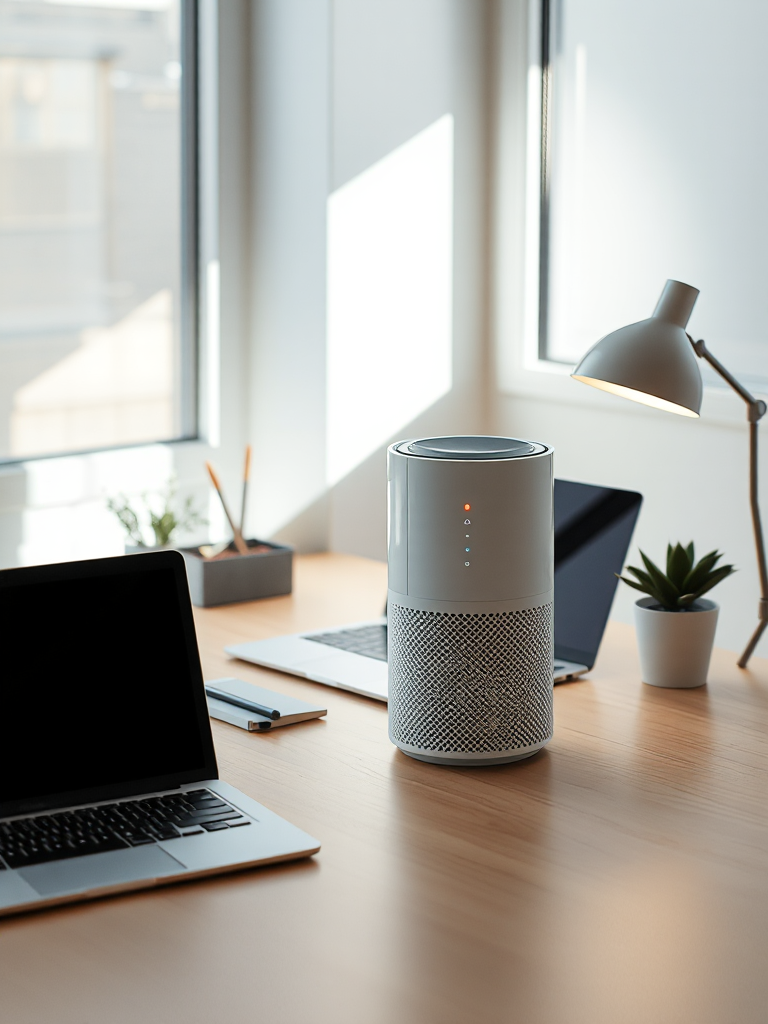
Many people searching for an air purifier for small spaces look for compact, tabletop options. A modern mini air purifier provides a compact footprint designed to fit on bedside tables or office desks. They are highly portable and lightweight.
These compact units are specifically built for targeted, localized cleaning of your immediate breathing zone. They are ideal for dorm rooms, RV cabins, or home offices where floor space is limited.
According to recent market data, a typical mini air purifier released through 2026 is priced between $45 and $120. This makes them highly accessible entry-level options for students and budget-conscious buyers.
However, their low cost often comes with hidden performance compromises that many manufacturers gloss over in their marketing. Understanding what you are actually paying for is crucial before clicking buy.
Unlike a centralized AI climate control system, a small desktop unit cannot regulate whole-house air. It focuses strictly on a tiny physical radius.
This targeted approach makes a compact mini air purifier perfect for personal use, provided you have realistic expectations. They excel at clearing small areas of dust, light smoke, and pet dander.
The Critical Trade-Off: Understanding Mini Air Purifier Limitations
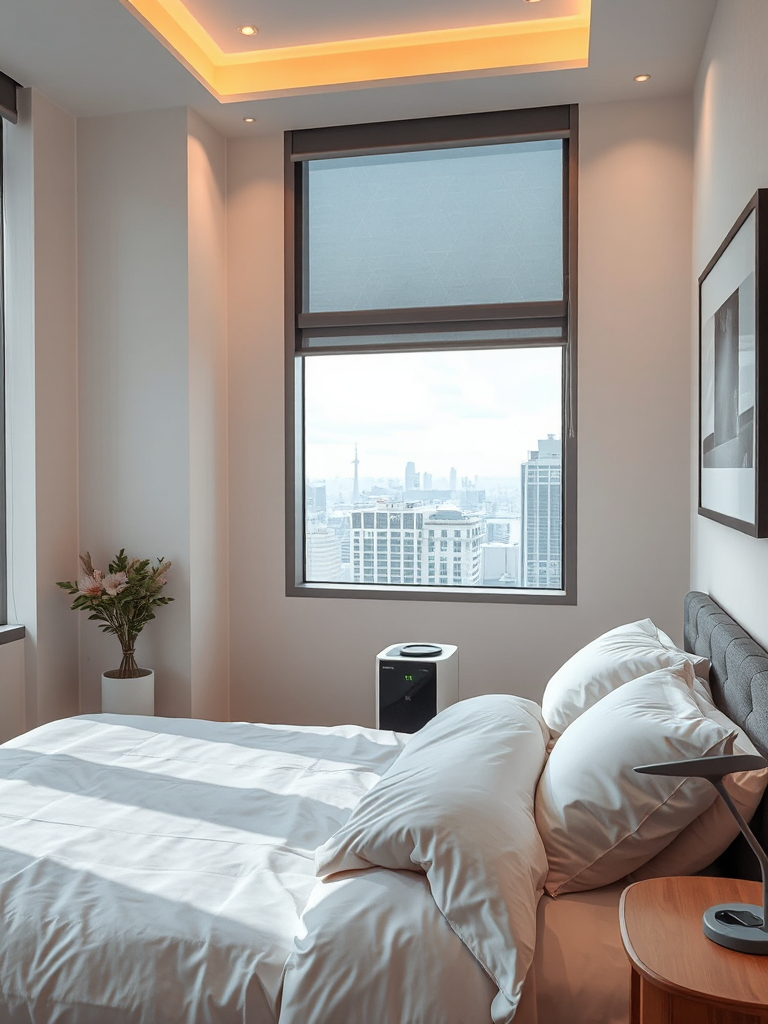
When shopping for a mini air purifier for bedroom use, many consumers overlook air exchange rates. They assume any small device will clean an entire master bedroom effectively.
This misunderstanding is one of the most common small room air purifier problems reported by frustrated buyers. Most compact devices simply lack the fan power to move enough air.
For example, the Levoit Core Mini-P delivers only about 41 cubic feet per minute (CFM) of clean air. This is a very modest airflow rating.
This CFM rating translates to roughly five air changes per hour in a tiny 60 square foot room. If your room is larger, the air replacement rate drops drastically.
Consequently, a very small unit is practically underpowered for anything larger than a small bedroom, office desk, or RV cabin. It will struggle to clear modern household pollutants.
If you place a weak mini air purifier in a larger room, the air will bypass the filter entirely. The fan simply cannot pull distant particles into its intake.
Key Features to Prioritize in a Compact Air Purifier
To avoid disappointment, you must look closely at the mechanical specifications of any desk air purifier you consider. The absolute first priority should always be the filter type.
A genuine portable HEPA air purifier must utilize a True HEPA filter to capture fine particulate matter. This medical-grade material prevents microscopic allergens from being recirculated back into your breathing space. Many cheap options use misleading terms like “HEPA-type,” which fail to catch small allergens.
True HEPA filters capture 99.97 percent of airborne particles as small as 0.3 microns. This includes pollen, mold spores, and fine dust that irritates your lungs.
Next, evaluate the clean air delivery rate (CADR) of the compact machine. To ensure clean air, select a model with a CADR of 100 CFM or higher for moderate rooms.
Filter lifespan is another crucial factor that directly impacts your wallet over time. Many tiny filters last only six months, creating a recurring, annoying expense.
Choosing a compact unit with a filter lifespan of nine to twelve months mitigates most of these ongoing maintenance issues. It saves money and reduces plastic waste.
Noise levels are also vital since a mini air purifier sits very close to you on a desk or nightstand. Look for sleep modes that run under thirty decibels. This level of silent operation is perfect for light sleepers who want to rest undisturbed while maintaining clean air.
Some modern models offer smart features like automatic fan adjustment based on real-time air quality. However, these features usually drive up the initial purchase price.
The Anatomy of a Tabletop Filtration System
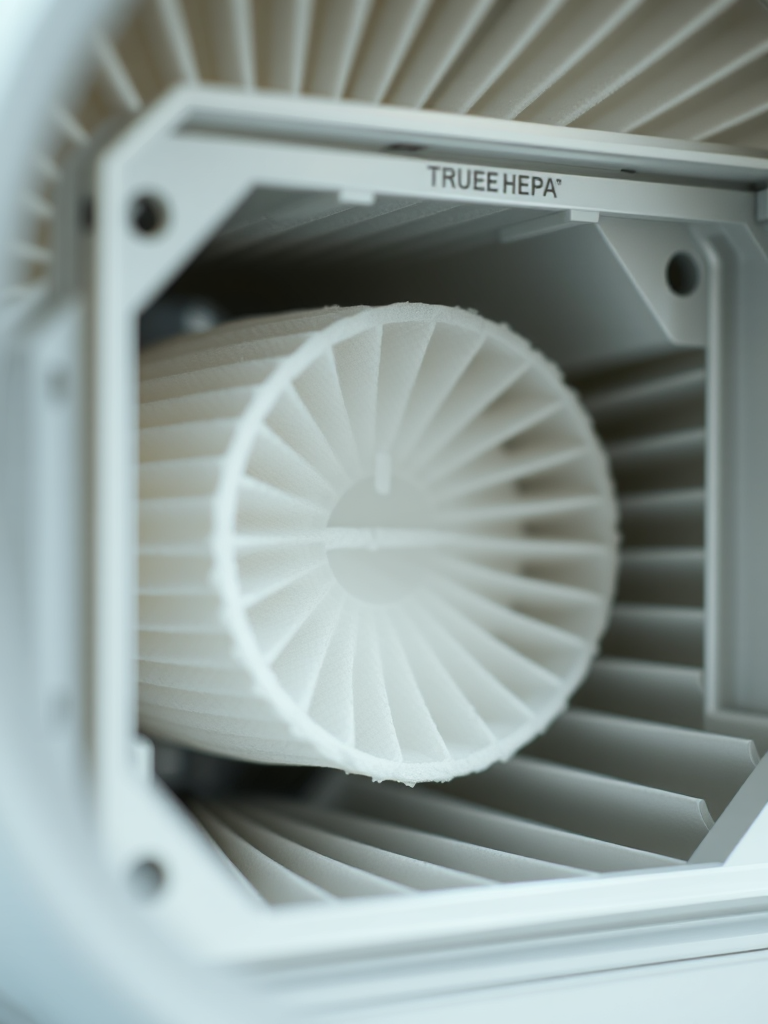
The internal architecture of a mini air purifier dictates its performance. Most successful compact models use a multi-layered cylinder design to maximize physical filter surface area.
The outermost layer is the pre-filter. This mesh captures hair, large dust fibers, and pet fur before they can clog the delicate inner filter layers.
Directly behind the pre-filter sits the HEPA layer. This dense, pleated paper web traps microscopic pollen grains, mold spores, and combustion particles.
Finally, the innermost layer contains dense activated carbon. This porous charcoal material absorbs volatile organic compounds, chemical fumes, and unpleasant cooking odors, which is vital for maintaining a fresh bedroom environment.
In tiny devices, these layers are compressed into a single, compact cartridge. This compression makes replacing the filter quick and simple for the user.
However, thin carbon layers in small units saturate very quickly. They cannot match the odor elimination capabilities of large, heavy standalone purifiers.
If you struggle with heavy odors or active smoke, a tiny carbon mesh will fail within weeks. It simply runs out of bonding sites for gas molecules.
Industry Standards & Trusted Resources
When researching indoor air quality standards, the official recommendations from the United States Environmental Protection Agency are invaluable. Their guidelines outline how small filtration systems help reduce airborne asthma triggers.
For standardized CADR testing and energy efficiency metrics, we can consult the ENERGY STAR program. Their database verifies which compact appliances consume the least electricity over long operating periods.
Independent consumer testing over at Wirecutter highlights real-world performance differences. Their multi-month tests reveal which small bedroom appliances maintain quiet operation without developing rattles.
Additionally, technical breakdowns on household electronics from CNET offer useful product lifespan context. Their comparisons help buyers avoid overpriced models that offer no actual performance benefits.
Top Mini Air Purifiers for Specific Needs (2026 Insights)
Let’s look at the leading market options for small spaces. Selecting the right model requires matching these units to your specific daily environmental challenges.
The Ultra-Budget & Quiet Pick: Levoit Core Mini-P
The Levoit Core Mini-P sits comfortably at the lower end of the mini air purifier price range at approximately $50. It is a highly popular option for very restricted spaces.
This model offers a three-stage filter containing a pre-filter, a pleated particle filter, and a carbon mesh. This setup captures basic dust and light odors quite well.
It also boasts ultra-quiet operation and remarkably low electrical power draw. It is an ideal companion for a compact work desk or a bedside table.
However, there are notable limitations to this budget-friendly choice. It lacks a true HEPA filter and does not feature an integrated programmable timer.
Its six-month filter lifespan means you will need replacements twice a year. Buyers looking for Levoit Core Mini alternatives often seek models with longer filter life.
The Step-Up for True HEPA & Small Rooms: Blueair Blue Pure 511 & Winix 5500-2
For those who require verified, medical-grade particle capture, look for a portable HEPA air purifier bedroom solution. Investing a bit more yields much healthier results.
The Blueair Blue Pure 511 and the Winix 5500-2 represent the premier tier of compact air filtration. They provide robust True H13 HEPA filtration for small spaces.
These units deliver a significantly higher CADR of roughly 150 CFM. This allows them to clean the air in small bedrooms much faster than budget alternatives.
According to our best mini air purifier comparison research, these premium units also feature superior high-speed noise control. They run quietly even when handling high smoke loads.
The main downside to these high-performing units is the initial cost. They generally retail in the $150 to $200 price range, which might deter budget shoppers.
The Solid Mid-Range Performer: Levoit Core 300-P
If you want the middle ground, the Levoit Core 300-P is a highly versatile option. It retails for around $100 and bridges the gap perfectly.
Our analysis of mini air purifier reviews 2025 indicates this unit packs a serious punch. It features a True HEPA filter and an efficient 360-degree intake.
It can clean the air in a 525 square foot room in about thirty minutes. This performance makes it an exceptional choice for slightly larger bedrooms or studio apartments.
It is larger than a standard mini air purifier, but it remains compact enough for a wide desk. It represents the sweet spot of value and power.
How CADR and Air Changes Per Hour (ACH) are Calculated
Understanding how engineers measure air cleaning speed is essential for any smart buyer. The Clean Air Delivery Rate measures the volume of clean air a fan delivers.
To calculate Air Changes Per Hour, multiply the CADR by sixty to find the hourly volume. Then, divide that number by the total cubic volume of your room.
Let’s assume your bedroom has eight-foot ceilings and measures ten by twelve feet. This room has a total volume of 960 cubic feet.
If your device delivers 100 CFM, it processes 6,000 cubic feet of clean air per hour. Dividing 6,000 by 960 gives you roughly six air changes per hour.
Health experts generally recommend at least four air changes per hour for allergen reduction. If you suffer from asthma, aim for five or six changes per hour.
Using a unit with a low CADR in a large room means the air changes drop to one. This slow cycle allows allergens to settle on surfaces before being filtered.
Noise Levels vs. Filtration Speed: The Sleep Dilemma
A frequent issue with small desktop appliances is the irritating pitch of their fans. Because the housing is small, the fan blades must spin extremely fast to move air.
This high-speed rotation generates a high-pitched hum that can disrupt light sleepers. Larger units use wider fan blades that spin slowly while moving the same air volume.
Most compact purifiers feature a dedicated sleep mode that drops fan speed to the lowest setting. This reduces the operating sound to a quiet whisper under thirty decibels.
However, running the device on its lowest speed drastically reduces the clean air delivery. Your unit may only deliver twenty percent of its rated CADR on sleep mode.
This trade-off means you are breathing dirtier air in exchange for a quiet sleeping environment. It is a frustrating compromise that manufacturers rarely mention.
To circumvent this, run your compact unit on its highest speed during the day. Then, switch it to sleep mode right before you go to bed.
Proper Placement Tips for Maximum Efficiency
Where you place your small air cleaner heavily dictates its actual daily filtration efficiency. Putting it in a dusty corner or hiding it behind books completely ruins airflow.
Always keep the intake vents completely clear of any physical obstructions. If your desk has a lot of paperwork, keep those stacks far away from the intake grille.
Elevation can also make a significant difference in how many floating dust particles the unit captures. Placing the machine on a nightstand or desk is far better than the floor.
Dust particles tend to settle quickly, but floating particles linger at breathing level. Elevating the unit allows it to intercept airborne particles before they hit your mattress.
Avoid placing the unit near open windows or drafts that create competing airflow currents. High drafts can blow clean air away, rendering the small fan completely useless.
Filter Maintenance: How to Clean (and When to Toss) Your Filter
Many people do not realize that the pre-filter of a compact unit requires regular hands-on maintenance. Dust builds up on this outer mesh, choking the fan over time.
Every two to four weeks, use a compact cleaning tool to gently vacuum the outer pre-filter to remove accumulated dust and pet fur. This quick maintenance task instantly restores the fan’s maximum CADR performance.
However, never use water or liquid cleaners to wash a True HEPA filter element. Water ruins the microscopic fibers, rendering the filtration layers permanently ineffective.
If the filter turns a dark grey color or smells musty, toss it immediately. Running a dirty filter recirculates trapped odors and strains the small electric motor.
Some users try to spray perfume or oils directly onto the filter to freshen their rooms. Avoid this completely, as oil droplets permanently clog the tiny air passages.
Common Problems and How to Avoid Them
Many buyers run into classic small room air purifier problems after a few weeks of use. The most common disappointment is insufficient airflow in rooms larger than advertised.
Another annoying issue is the short lifespan of small, thin replacement filters. Many budget brands require new filters every six months, which quickly increases your long-term costs.
Additionally, many entry-level mini air purifier models lack basic features like programmable timers or air quality sensors. Without a timer, the device runs constantly, consuming unnecessary electricity.
Noise spikes at maximum fan speeds can also disrupt sleep or focus. At high speeds, tiny fans must spin faster, creating high-pitched whines that are hard to ignore.
To avoid these pitfalls, choose a model with a True HEPA filter and a CADR of 100 CFM or higher. A larger filter element ensures better airflow and quieter performance.
You might also explore multi-purpose furniture options, such as an air purifier table, which combines air cleaning with practical surface utility. This keeps your space uncluttered.
Hidden Maintenance Costs: Calculating True Cost of Ownership
When calculating the long-term cost of a mini air purifier, look beyond the retail price. A cheap fifty-dollar unit can quickly become an expensive ongoing liability.
Investing in durable replacement filters for small machines often costs between twenty and thirty-five dollars each, making value-packs a smart way to cut down your annual maintenance bill. If you must replace them every six months, that is seventy dollars annually.
Over a three-year period, you will spend over two hundred dollars just on replacement filters. That is four times the original purchase price of the machine.
In contrast, a slightly larger hundred-dollar unit might use fifty-dollar filters that last a full year. This dynamic makes the larger unit cheaper over time.
Electricity consumption is another factor, though modern brushless DC motors are highly efficient. Running a typical fifteen-watt unit non-stop costs roughly fifteen dollars per year.
Always calculate the three-year cost of replacement filters before making your final purchase. This simple step prevents frustrating financial surprises down the road.
Smart Integrations vs. Manual Controls
Adding smart features to a mini air purifier can significantly raise its price. Some buyers love adjusting fan speeds via mobile apps or voice assistants.
However, for a small personal unit, smart controls are often an unnecessary gimmick. You will rarely need to adjust the settings once it is placed.
Manual controls are generally more reliable and keep the unit simple to operate. They also eliminate potential smart home compatibility and wireless connection issues.
If you prefer automation, look for models with basic physical timers. A simple four-hour timer allows the unit to run while you fall asleep, then shut down.
This manual approach keeps production costs low while delivering identical air cleaning performance. Do not pay extra for app controls you will likely abandon in weeks.
Instead, put your budget toward a better filter element or a quieter motor. Those physical components directly impact your air quality every single day.
Making the Right Choice: Recommendations for Your Specific Space
Selecting the perfect small room air purifier requires finding the sweet spot between physical size and mechanical capability. Do not let cheap price tags blind you to performance limits.
If you only need a localized breathing zone on a work desk, the Levoit Core Mini-P is a decent, ultra-quiet personal mini air purifier. Just remember its limits.
If you need true allergen protection for a bedroom, step up to a unit with True HEPA. The Blueair Blue Pure 511 provides much better airflow and superior filtration.
For larger rooms or open studio spaces, the Levoit Core 300-P remains the most balanced compact champion. Its 360-degree intake handles more air without occupying excessive space.
Ultimately, investing a bit more upfront on a high-quality mini air purifier will save you money on replacement filters. It also ensures you actually breathe cleaner air.
Make your choice based on your specific physical space and health priorities today. Your lungs and your wallet will certainly thank you for making a calculated decision.
Frequently Asked Questions
Is a mini air purifier worth it for a bedroom?
Yes, a mini air purifier is worth it if your bedroom is small, under 100 square feet. It provides quiet filtration directly near your bedside, removing dust and common nighttime allergens.
What is the difference between HEPA and HEPA-type filters?
True HEPA filters capture 99.97 percent of particles down to 0.3 microns. HEPA-type filters are unrated, letting small, irritating dust particles pass right through a small room air purifier.
How often should I replace the filter on a compact air purifier?
Most mini air purifier models require a new filter every six months. However, higher-end units with larger pleat counts can last nine to twelve months before needing a replacement.
Can a mini air purifier remove odors and smoke?
Yes, but only if it contains an activated carbon stage. A standard particle filter won’t stop odors, so look for carbon-enhanced filters to tackle kitchen smells or light smoke.
Does a mini air purifier consume a lot of electricity?
No, most small units use very little power, often drawing between 5 and 15 watts. Running one continuously costs only a few dollars per year in utility bills.