

Planning a modern edible garden design can feel overwhelming when you are dealing with limited space or poor soil. Many homeowners struggle with layouts that look messy or fail to produce actual food. This practical guide will help you build a beautiful backyard setup that blends aesthetics with high-yield harvests.
Quick Takeaways
- Start with small, manageable raised beds to keep maintenance tasks highly simple.
- Use block planting instead of traditional farm rows to double your garden yield.
- To safeguard your crops naturally, mix companion flowers like marigolds in with your vegetables to deter pests and attract helpful pollinators.
- Select specialized container sizes to keep herbs healthy on patios or balconies.
- Getting Started: Foundational Layouts for Small Edible Gardens
- Maximizing Yields: Strategic Backyard Vegetable Garden Layouts
- The Integrated Garden: Interplanting Vegetables, Herbs, and Flowers
- Container Herb Gardens: Design Tips for Bountiful Harvests
- Compact Powerhouses: Top Edible Plants for Small Spaces
- Beyond the Bed: Creative Homegrown Food Garden Ideas
- Practical Verdict and Buying Guide
- Frequently Asked Questions
Getting Started: Foundational Layouts for Small Edible Gardens
Every successful project begins with a clear blueprint. When you first attempt an edible garden design, starting small is the best way to prevent burnout. Many beginners make the mistake of digging up their entire yard on day one, only to find themselves overwhelmed by weeds weeks later.
To avoid this, experts suggest starting with a manageable 4×8 or 4×4 raised bed kit that is incredibly easy to assemble and perfect for beginner gardeners. According to agricultural specialists, a simple 4×8-foot vegetable garden layout is one of the easiest ways to start growing food. This specific size provides enough room for a variety of crops while keeping daily maintenance tasks completely straightforward.
The materials you select for your raised bed vegetable garden will impact your long-term food safety. Avoid using old, pressure-treated wood that might leach chemicals into your vegetables. Instead, select untreated cedar, redwood, or durable galvanized metal frames, which offer outstanding rust resistance and look beautifully modern in any yard. These materials withstand the elements well and keep your soil clean.
Soil composition is the true secret to a highly productive edible garden design. Do not simply scoop dirt from your yard to fill your raised beds. Instead, opt for a premium, nutrient-packed soil blend that naturally promotes robust root development and retains moisture. You can also mix equal parts organic compost, high-quality topsoil, and coarse sand. This mixture offers excellent drainage while holding onto essential nutrients your plants need.
Arranging your plants correctly within this space is equally important. Place taller crops like trellised peas or tomatoes on the north side of your bed. This ensures they will not cast unwanted shade on smaller greens like spinach or radishes during the peak afternoon sun.
Building your first bed is a rewarding step toward self-sufficiency. If you want to integrate this setup with your existing lawn, check out our guide on native plant landscaping to create a seamless border. A cohesive yard look makes your food-growing beds feel intentional rather than accidental.
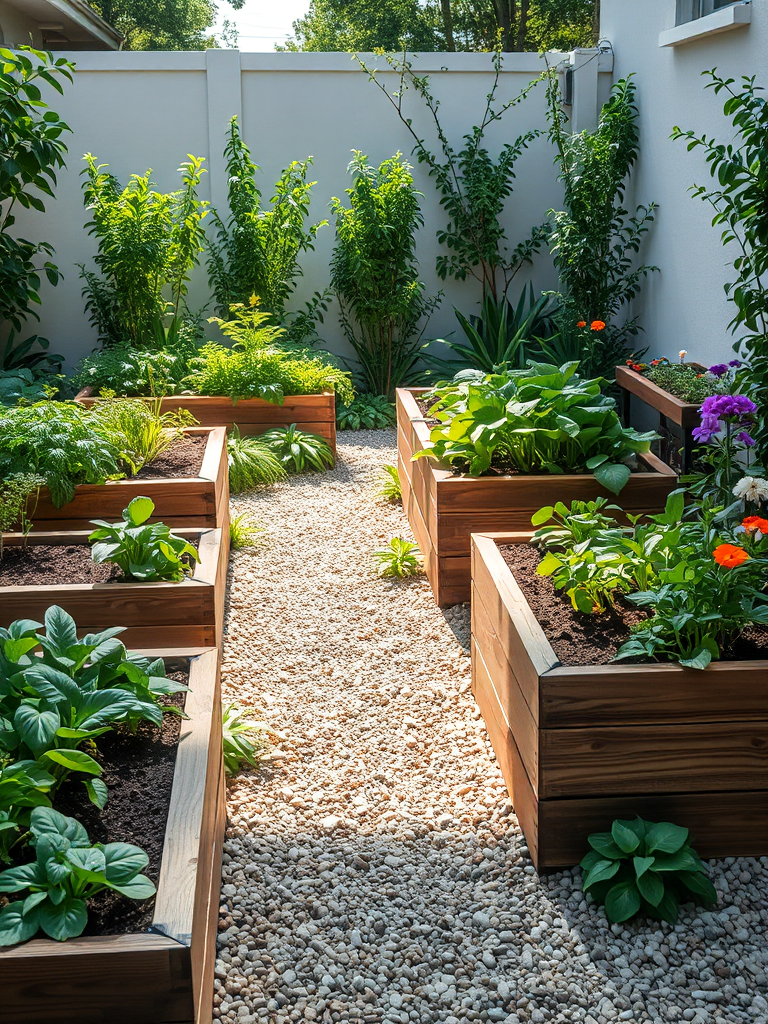
Maximizing Yields: Strategic Backyard Vegetable Garden Layouts
Maximizing food production in a standard backyard vegetable garden layout requires a shift in mindset. Traditional farms use long, single-file rows because they rely on heavy machinery. In a residential yard, however, walking space between narrow rows is simply a waste of valuable growing ground.
To solve this, modern kitchen garden plans focus on compact block planting. Experts agree that planting in rows is ideal for commercial farms, but for home gardens, block planting works best for maximizing space. By grouping plants in dense blocks, you create a canopy that naturally shades the soil.
This living mulch layer reduces water evaporation and stops weed seeds from germinating. You can plant head lettuce, bush beans, or spinach in staggered grids rather than straight lines. This simple layout adjustment can actually double your harvest per square foot without requiring extra physical land.
An organized edible garden design must also account for easy human access. Design your blocks so you can comfortably reach the middle without stepping on the soil. Compacting the soil by stepping on it destroys the delicate root systems and reduces necessary oxygen levels.
To keep the area tidy, design permanent pathways between your planting blocks. Laying down thick cardboard covered with wood chips creates a comfortable, weed-free walking path. These defined paths prevent your backyard vegetable garden layout from turning into a muddy mess during heavy spring rains.
Keeping paths clean also helps with lawn maintenance. If you use automated tools to keep your surrounding yard tidy, clear pathways are essential. Read more about how a robotic lawn mower can save you time so you can focus entirely on your food crops.
The Integrated Garden: Interplanting Vegetables, Herbs, and Flowers
The most beautiful spaces do not segregate food crops from ornamental plants. An integrated edible garden design blends vegetables, herbs, and flowers into a tapestry of textures. This method, often called companion planting, benefits both the health of your plants and the visual appeal of your yard.
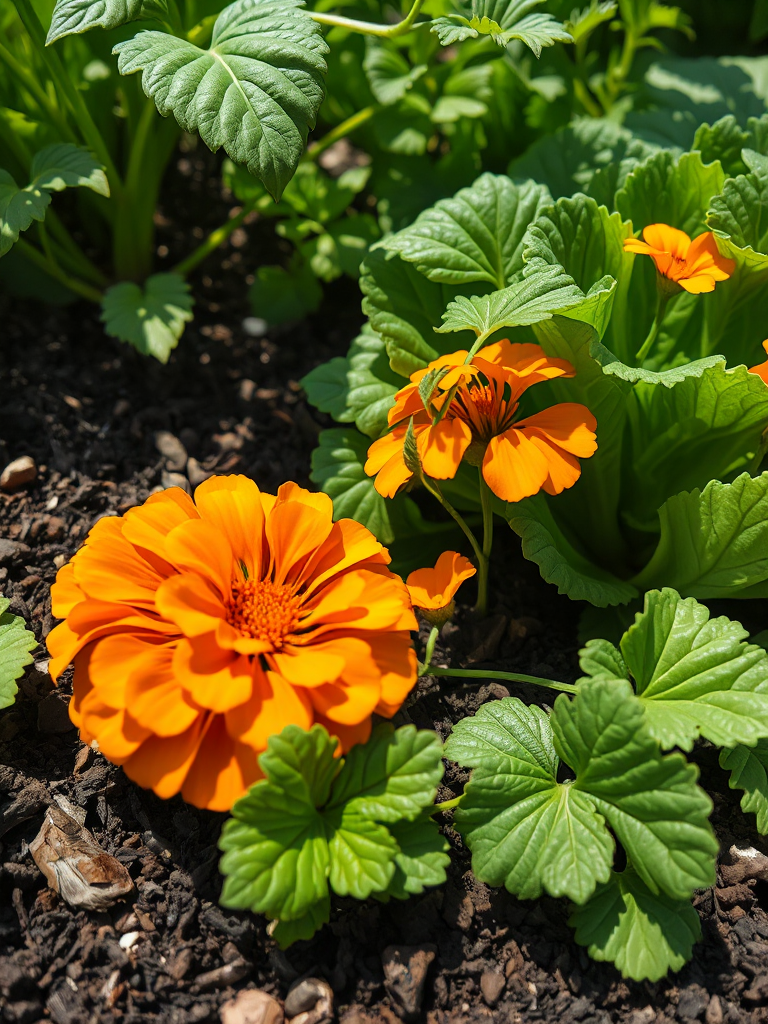
Instead of planting a monoculture, intersperse flowers such as marigold, nasturtium, calendula, or borage with vegetables to attract pollinators and deter pests. This diverse ecosystem makes it much harder for harmful bugs to destroy your homegrown food garden. It also eliminates the need for harsh chemical sprays.
Marigolds are famous for releasing a scent that confuses pests looking for tomato plants. Nasturtiums act as a clever trap crop, drawing aphids away from your prized brassicas. Meanwhile, borage brings in native bees that are crucial for pollinating your squash blossoms.
You can also use physical space efficiently by matching plants with complementary growth habits. For example, sow quick-growing radishes around slow-growing carrots. By the time the carrots need more room, you will have already harvested the radishes. This natural succession keeps your beds productive all season long.
If you enjoy having a continuous supply of beautiful blooms alongside your food, planning is key. You can coordinate your food beds with dedicated cutting areas. Discover how to organize these spaces with our detailed cutting garden plans to keep your indoor vases filled.
Container Herb Gardens: Design Tips for Bountiful Harvests
You do not need a massive backyard to enjoy fresh ingredients. A container herb garden is the perfect solution for balconies, patios, or sunny kitchen decks. However, success depends on choosing the correct pot size rather than just grabbing whatever looks pretty.
Many beginners kill their herbs by using shallow pots that restrict root growth. In general, container herb gardens work best in pots 12 to 14 inches deep for root-heavy herbs like parsley, cilantro, and rosemary, as these deeper containers allow for optimal water absorption and healthy root expansion. Conversely, you can use shallower pots of 6 to 12 inches for shallow-rooted herbs like basil and thyme.
Using the correct depth ensures your plants have enough soil volume to hold moisture on hot summer days. Small, cheap pots dry out within a few hours, causing sensitive herbs to wilt and die. Larger pots provide a buffer that makes your daily watering routine much more forgiving.
Proper drainage is another critical element of container edible garden design. Ensure every pot you buy has large drainage holes at the bottom. If water sits in the bottom of the pot, root rot will set in quickly, turning your rosemary yellow and woody.
Use a high-quality, lightweight potting mix specifically formulated for containers. Do not use heavy garden soil, which packs down tightly and suffocates tender roots. A light mix containing perlite or peat moss allows water to drain freely while keeping the roots perfectly aerated.
Place your containers in an area that receives at least six hours of direct sunlight daily. Mediterranean herbs like oregano and rosemary thrive in hot, dry conditions. If your balcony is partially shaded, focus on growing leafy greens and mint, which tolerate lower light levels.
Compact Powerhouses: Top Edible Plants for Small Spaces
Selecting the right plant varieties is crucial for small-space edible garden design. If you plant a standard pumpkin vine in a small raised bed, it will quickly swallow your entire yard. Fortunately, plant breeders have developed fantastic dwarf varieties designed specifically for tight spaces.
Some of the best compact edible plants suited to tight gardens include lettuce, arugula, radishes, baby carrots, and bush beans. You can also successfully grow dwarf varieties of broccoli and kale, cherry tomatoes, compact peppers, and herbs such as chives and mint. These varieties provide excellent yields without taking over.
When shopping for seeds or starts, look for key descriptive terms like bush, dwarf, or patio. Bush varieties of cucumbers and green beans grow as neat clumps rather than wild, climbing vines. They fit perfectly into the corners of your raised bed vegetable garden without needing massive trellis systems.
Leafy greens are incredibly productive because you can harvest them using the cut-and-come-again method. Instead of pulling up the entire plant, simply snip the outer leaves as you need them. The plant will continue to produce fresh, tender leaves from the center for many weeks.
Cherry tomatoes are another high-yielding option that thrives in containers or small beds. Look for determinate or dwarf varieties like Tiny Tim or Patio Choice. These plants stay small but still produce hundreds of sweet cherry tomatoes throughout the warm summer months.
Do not forget about edible groundcovers like low-growing thyme or alpine strawberries. These plants fill in the bare soil around your larger crops, acting as a living weed barrier. They look beautiful trailing over the edges of your raised beds while offering sweet treats to harvest.
Beyond the Bed: Creative Homegrown Food Garden Ideas
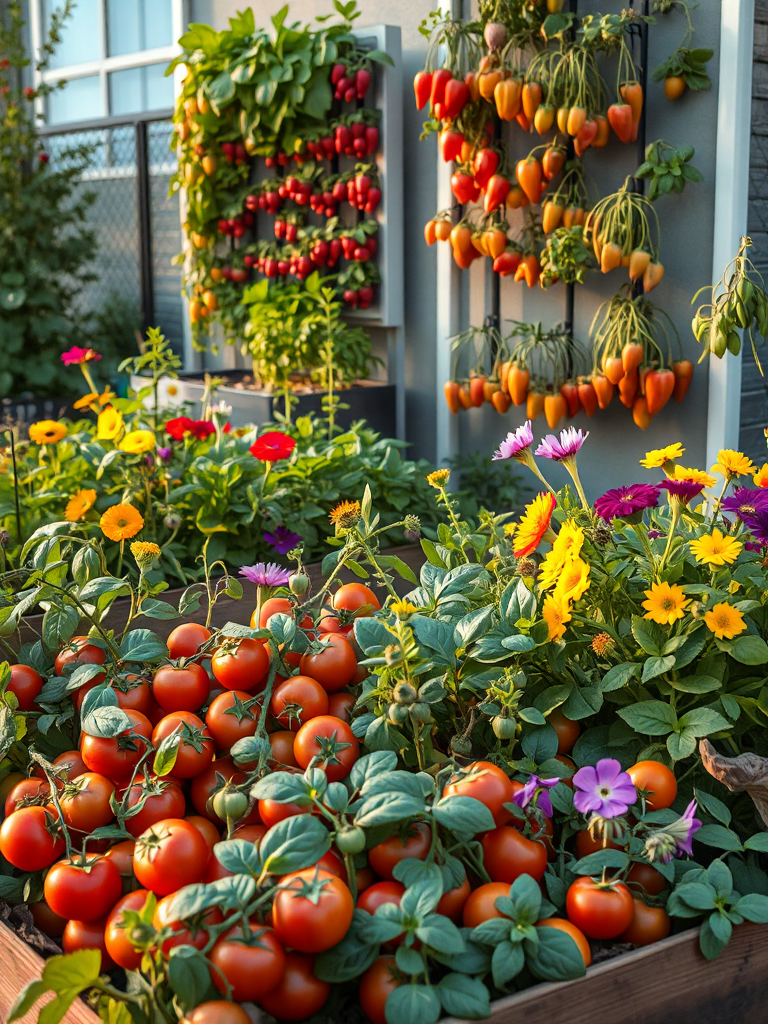
To take your edible garden design to the next level, think beyond simple rectangular boxes. Utilizing vertical space is one of the smartest ways to expand your growing area. If you have a bare fence or a blank exterior wall, you have a vertical growing opportunity.
Broader homegrown food ideas combine these elements into themed sections like a dedicated sauce garden of tomatoes, basil, onions, and oregano. You can also build a vertical garden using hanging felt pockets or training heavy squash vines up a sturdy wooden trellis against your fence.
Another fun approach is creating an edible-flower border along your patio. Mixing colorful violas, signet marigolds, and nasturtiums adds bright color to your yard and provides edible garnishes for your summer salads. This layout shows that vegetable gardening does not have to look messy.
You can also create a mixed raised-bed and container system that integrates vegetables, herbs, and pollinator-friendly flowers. This approach allows you to place high-maintenance crops close to your kitchen door. It also creates a dynamic, multi-level landscape that is highly functional and visually stunning.
Integrating these ideas requires a bit of planning but yields incredible results. A well-designed kitchen garden plan feels like an extension of your indoor living space. It becomes a place where you want to relax, entertain, and harvest fresh ingredients for dinner every single day.
Industry Standards and Trusted Resources
When designing a home food system, it is important to rely on scientifically backed gardening information. The Old Farmer’s Almanac provides reliable planting calendars and regional frost dates that help you time your seed sowing perfectly. Following these schedules prevents you from planting warm-season crops too early in the spring.
For detailed structural inspiration, design publications offer excellent spatial concepts. You can explore creative layout ideas on Architectural Digest to see how professional designers integrate food crops into modern residential landscapes. Their case studies show that food gardens can be highly sophisticated.
To understand the science of soil health and plant diseases, university extension offices are invaluable. The United States Department of Agriculture offers deep resources on organic pest management and native soil health. Utilizing these free guides helps you avoid common mistakes that lead to crop failure.
Advanced Analysis and Common Pitfalls
While building an edible garden design is exciting, new gardeners often run into realistic challenges. One of the most common pitfalls is locating the garden too far from a water source. If you have to drag a heavy hose across your entire yard, watering will soon feel like a chore.
Another major issue is poor sunlight assessment. Many homeowners plant their sun-loving tomatoes in areas that receive only four hours of sunlight because of nearby trees. Always map the sun patterns across your yard for a few days before building any permanent beds.
To help you decide on the best setup for your home, review this quick comparison table:
| Garden Type | Best For | Setup Cost | Maintenance Level |
|---|---|---|---|
| Raised Beds | Beginners, Poor native soil | Medium to High | Low |
| In-Ground Blocks | Large yards, Budget setups | Low | High (Weeding) |
| Containers | Patios, Balconies, Small spaces | Low to Medium | Medium (Frequent watering) |
Keep in mind that soil in raised beds and containers settles over time. You will need to top off your beds with fresh compost every spring to replenish lost nutrients. Budgeting for this annual maintenance ensures your edible garden design remains highly productive year after year.
Key Takeaways
- Size Wisely: Start with a simple 4×8 raised bed to keep your initial gardening efforts highly successful and stress-free.
- Block Patterns: Avoid long single rows; instead, use tight block plantings to maximize space and naturally crowd out weeds.
- Companion Flowers: Intersperse marigolds and nasturtiums throughout your vegetable beds to attract beneficial insects and deter pests.
- Pot Depths: Ensure your container herb gardens have pots 12 inches deep for root-heavy herbs to prevent drying out.
- Dwarf Varieties: Select patio-specific or dwarf crop varieties to get maximum yields from limited small-space layouts.
Practical Verdict and Buying Guide
If you want a highly productive yard, investing time in a smart edible garden design is absolutely worth it. Beginners should start with a single cedar raised bed filled with premium soil. This setup keeps your initial investment reasonable while ensuring a high chance of early success.
Those with large yards can combine raised beds with in-ground block plantings to save on setup costs. However, avoid trying to grow everything at once during your first season. Focus on five of your favorite vegetables to keep the learning curve manageable and highly enjoyable.
Are you ready to transform your outdoor space? Start by drawing a simple map of your yard to plan your future edible garden design today. With a solid plan, you will enjoy fresh, delicious harvests right from your backyard in 2026.
Frequently Asked Questions
How much daily sunlight does an edible garden design require?
Most productive vegetables and culinary herbs require at least six to eight hours of direct sunlight daily. Leafy greens like lettuce, spinach, and kale can tolerate partial shade, thriving on four to six hours of light.
What is the best material for building raised vegetable beds?
Untreated cedar, redwood, or food-safe galvanized steel are the best materials for your edible garden design. These materials are highly durable, rot-resistant, and do not leach harmful chemicals into your growing soil.
How often should I water my container herb garden?
Containers dry out much faster than in-ground beds, especially in hot weather. Check your container herb garden daily by sticking your finger an inch into the soil, watering deeply whenever it feels dry.
Can I grow tomatoes and basil together in a small garden?
Yes, pairing tomatoes with basil is a classic strategy in edible garden design. Basil acts as a natural companion plant that may improve tomato flavor while helping to repel destructive insect pests.
How do I prevent weeds from taking over my vegetable garden?
Using tight block planting layouts and applying a thick layer of organic mulch is highly effective. Mulching pathways with wood chips and beds with clean straw keeps weeds down and retains soil moisture.