

Investing in a reliable GPS dog fence is the smartest way to give your pet freedom while avoiding the high costs of physical fencing. But with so many brands claiming perfect accuracy, finding a system that actually keeps your pup safe is surprisingly difficult. Many owners buy expensive collars only to face dropped signals and sudden corrections.
Quick Takeaways
- SpotOn offers unmatched accuracy and does not require a subscription for boundary containment.
- Halo has a lower entry price and faster tracking updates but relies on mandatory monthly subscriptions.
- GPS systems work best on properties over half an acre with clear lines of sight to the sky.
- The True Cost of a GPS Dog Fence: Beyond the Initial Price Tag
- SpotOn Collar: The Gold Standard for Accuracy and Coverage
- Halo GPS Dog Fence: Feature-Rich but With Key Trade-offs
- Common Challenges with a GPS Dog Fence
- Beyond the GPS Dog Fence: Alternative Solutions
- Choosing Your Next GPS Dog Fence: The Final Verdict
- Frequently Asked Questions
The True Cost of a GPS Dog Fence: Beyond the Initial Price Tag
Most dog owners look at the initial price tag and assume they are getting a complete wireless pet containment system. However, the true cost of owning a modern GPS dog fence involves hidden subscription plans, accessory replacements, and warranty options. These ongoing expenses can quietly add up to hundreds of dollars over time.
When you invest in a GPS dog fence, you are buying safety and peace of mind. But if that system locks essential containment features behind a monthly paywall, your budget takes a long-term hit. Let’s look at the actual numbers to understand what you will pay over a two-year period.
For instance, a premium GPS dog fence option like SpotOn retails between $999 and $1,178 upfront. This package includes the collar, charger, unlimited customized boundaries, and a care plan. There is no mandatory monthly subscription to keep your dog safely contained on your land.
On the other hand, the Halo smart system starts at an appealing entry price of $524 to $599. However, Halo requires a mandatory subscription of $10 to $20 per month to work. This recurring fee brings the actual two-year cost of ownership to approximately $1,317.
If you own a large property, managing boundaries without monthly fees is a massive advantage. While traditional physical barriers cost thousands to install, a satellite-based system offers incredible flexibility. Yet, you must calculate these ongoing monthly fees before making your final decision.
Let’s plan ahead for your property management needs as well. For example, if you are also upgrading your yard with a robotic lawn mower, you want to make sure your dog’s boundaries do not interfere with your automated garden tools. Coordinated tech makes home management much easier.
Ultimately, comparing wireless fences requires looking past the flashy marketing. A cheaper collar can quickly become the more expensive choice after just twenty-four months. You need a system that performs flawlessly without draining your bank account every single month.
We must also look at the warranty options offered by these manufacturers. SpotOn offers a solid one-year warranty that includes convenient accident forgiveness. This means if your dog chews the collar, you are protected from paying full price for a replacement.
Halo also has a one-year warranty, but they encourage customers to buy a care plan. This plan costs an extra $9.99 per month. This care plan merely gives you the opportunity to purchase a discounted collar if it is lost.
These small details dramatically impact your total investment over time. Always read the fine print regarding mandatory subscriptions and accessory replacements. Knowing these costs upfront prevents buyer’s remorse and keeps your dog safely contained.
SpotOn Collar: The Gold Standard for Accuracy and Coverage
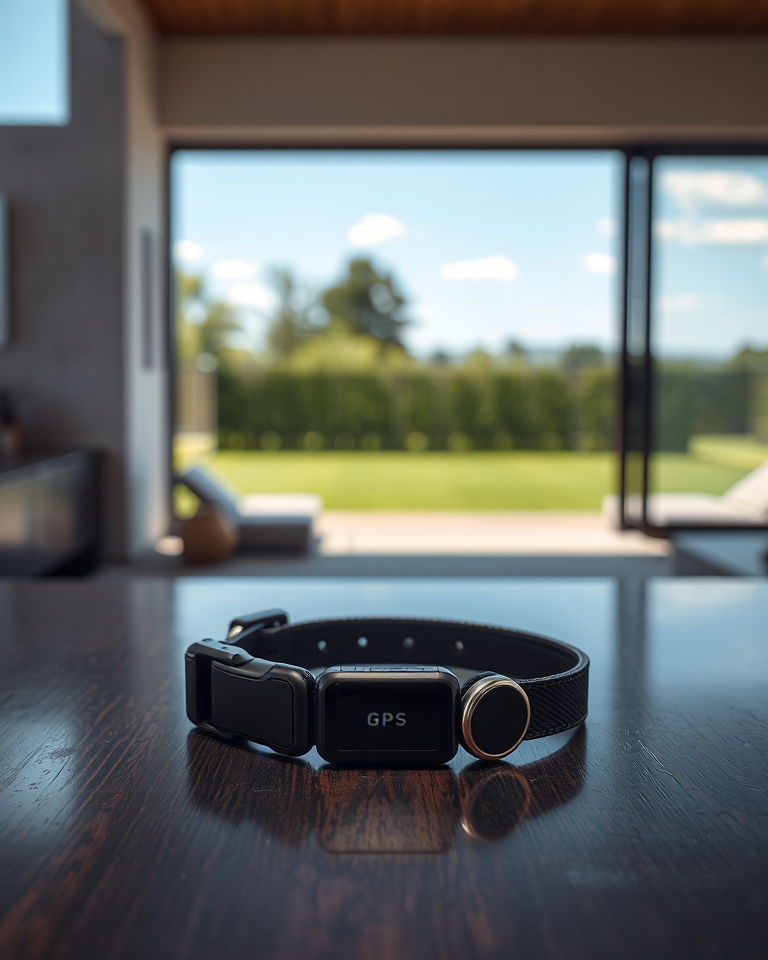
The SpotOn system is consistently celebrated in the best GPS dog fence reviews for its unmatched accuracy. It uses a high-grade, 128-satellite dual-band antenna to maintain a solid lock on your pet’s location. This advanced military-grade hardware is the secret behind its exceptional real-world performance.
The SpotOn collar generates a highly reliable satellite dog boundary that works in remote, off-grid areas. It can cover up to 100,000-plus acres of land, making it ideal for farms, ranches, and vast rural properties. You can easily walk your dog through woods without losing the signal.
This virtual fence for dogs accuracy is what sets it apart from cheaper alternatives. If your property is heavily wooded, SpotOn’s specialized Forest Mode helps the collar calculate positions through dense leaf canopies. This feature prevents false corrections, which can terrify your dog.
Furthermore, this GPS dog fence collar offers an impressive 40-hour battery life. You do not have to stress about charging it every single night. This is especially useful if you take your dog on weekend camping trips or long hikes.
SpotOn provides exceptional flexibility with unlimited customizable fences that overlap and curve around any property shape. You can set multiple keep-out areas and disable alerts indoors at no extra cost. This allows you to protect your custom native plant landscaping from digging paws.
Let’s look at the physical build of the collar itself. It is noticeably larger than a smart collar because the high-performance antenna needs physical space to operate. It is rugged, waterproof, and built to survive rough outdoor adventures.
The system works completely offline without requiring any cellular service for boundary containment. You only need a cellular plan if you want real-time tracking updates on your phone. This offline reliability is a major selling point for rural homeowners.
Additionally, SpotOn offers a generous 90-day return policy. This gives you ample time to train your dog and test the boundary accuracy on your land. They also provide a free 30-minute setup call with a certified trainer.
This hands-on support ensures you set up the system correctly from day one. Proper training is the most critical step in virtual boundary success, and pairing your efforts with a high-quality positive reinforcement tool can yield remarkably fast results. With expert guidance, your dog will quickly learn to respect the warning tones.
Halo GPS Dog Fence: Feature-Rich but With Key Trade-offs
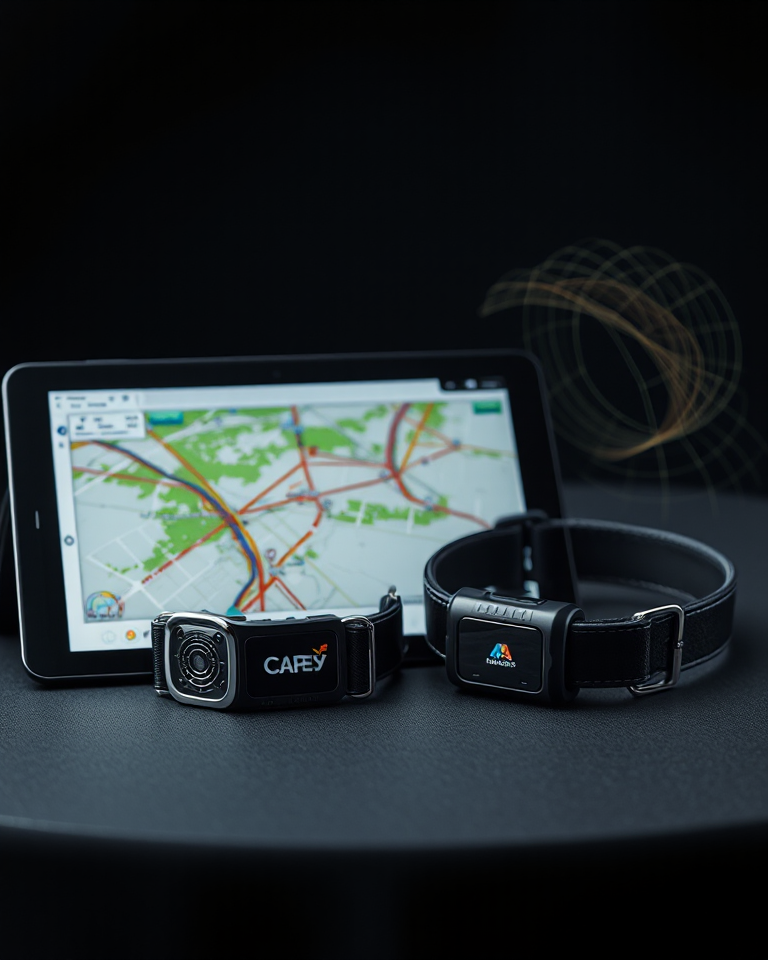
The Halo system represents a highly popular, feature-rich alternative to the SpotOn model. While conducting a direct SpotOn GPS collar vs Halo comparison, it becomes clear that Halo aims for a sleek, lifestyle-focused design. Its collar is lightweight and fits smaller dogs much more comfortably than the bulky SpotOn.
Halo excels at real-time location tracking by delivering up to 20 location updates per second. Experts at Wired highlight how high-speed tracking helps pet parents monitor their dogs in real time. This rapid update rate provides peace of mind if your dog loves to sprint.
The collar boasts a 48-hour battery life and an incredibly intuitive mobile app. For owners who prioritize training, Halo includes integrated professional training guides designed by experts. According to evaluations on Forbes, this structured training content is incredibly helpful for teaching dogs boundary respect.
However, this no wire dog fence comparison reveals a few frustrating trade-offs with Halo’s hardware. In real-world testing, Halo is generally less accurate, particularly when your dog walks under dense tree cover. It also relies on additional $39.99 Bluetooth beacons to disable corrections while your dog is indoors.
Without these indoor Bluetooth beacons, which seamlessly communicate with the collar to create safe indoor boundaries, your dog might suffer false corrections inside your own living room. This occurs when the GPS signal drifts slightly through your roof, confusing the collar. These small hidden fees can quickly frustrate owners who are shopping for a high-quality GPS dog fence.
Another consideration is the limitation on boundary shapes. Halo limits you to a set number of active fences on its lower tier subscription plans. If you travel frequently and need to save multiple locations, this restriction can be highly annoying.
The collar’s aesthetic appeal is undeniable, featuring a modern look that resembles a high-end smartwatch. It uses a sleek strap that comes in multiple colors to match your dog’s personality. The hardware is water-resistant and handles daily wear well.
But beauty shouldn’t override safety if you live in a deeply wooded area. If your yard has heavy leaf canopies, the GPS signal can struggle to penetrate the trees. This causes the virtual boundary to shift, which confuses your dog during daily play.
Training integration is where Halo truly shines, using positive reinforcement tones and vibes. The app guides you through daily training schedules to build your dog’s confidence. This structured approach helps dogs learn their boundaries quickly and safely.
Common Challenges with a GPS Dog Fence
While GPS boundaries offer incredible freedom, they are not entirely foolproof. Understanding the common wireless pet containment system problems can prevent frustrating surprises after your purchase. No satellite-based system is 100 percent perfect, and physical landscape obstacles will always affect performance.
The most frequent issue is GPS signal loss in heavily wooded properties or indoors. When a collar loses line of sight to satellites, the virtual fence for dogs accuracy degrades. This signal drift can trigger accidental corrections, making your dog fearful of going outside.
To avoid this, some brands require indoor beacons or manual mode switching. Additionally, rapid battery drain is a constant challenge for any high-performance GPS dog fence, but investing in a compact, high-capacity backup charger can save you from unexpected service dropouts. If you forget to charge the collar, your pet’s boundary protection instantly disappears.
According to technology testers at TechRadar, GPS tracking systems are highly sensitive to satellite line-of-sight. This means tall buildings, metal roofs, and even heavy cloud cover can affect the boundary’s precision. Owners must accept a margin of error of a few feet.
Let’s look at how the leading models compare across these key categories. This breakdown will help you choose the best system for your specific landscape and budget.
| Feature | SpotOn Nova | Halo Collar 5 | PetSafe Wireless |
|---|---|---|---|
| Upfront Price | $999 – $1,178 | $524 – $599 | ~$300 |
| Subscription Required | No (Optional for tracking) | Yes ($10 – $20/month) | No |
| Accuracy | Excellent (Dual-Band GPS) | Moderate (Can drift under trees) | Basic (Radio signal dome) |
| Max Coverage | 100,000+ Acres | Up to 780,000 Acres | Up to 3/4 Acre |
| Battery Life | Up to 40 Hours | Up to 48 Hours | Replaceable / Rechargeable |
If your dog is a heavy chewer, you should also consider durable accessories. For example, treating your dog to a high-quality collagen stick for dogs can keep them occupied for hours. This long-lasting, highly nutritious treat satisfies their instinctual urge to chew, which successfully prevents them from chewing on their expensive boundary collar when they are bored.
Cold weather can also impact the performance of these devices. Low temperatures drain lithium-ion batteries much faster than usual. You might find the battery dying hours earlier in the winter months.
Metal roofs can also interfere with GPS signals when your dog is near the house. If your dog sleeps near a metal structure, the signal might bounce. This can cause the collar to misbehave indoors without warning.
Keeping collar firmware updated is critical for maintaining maximum accuracy. Manufacturers frequently release software updates to patch bugs. Failing to update the system can result in boundary drift over time.

Beyond the GPS Dog Fence: Alternative Solutions
If you have a small suburban yard, a high-tech GPS dog fence might be overkill. Traditional plug-and-play systems offer a simpler, more affordable way to keep your dog contained. These radio-frequency options do not require cellular service or satellite coverage to function.
In any comprehensive no wire dog fence comparison, PetSafe’s wireless pet containment system stands out as a top budget pick. It is highly reliable but creates a simple circular boundary rather than custom shapes. This limits its usefulness if you have an L-shaped property.
The PetSafe transmitter sits indoors and projects a radio signal outward to create a secure dome. This system is incredibly easy to set up and requires zero digging or wire laying. However, it lacks the advanced GPS tracking capabilities of modern smart collars.
If your yard is smaller than one-third of an acre, these plug-in systems are often much more stable. They do not experience satellite drift, meaning your dog will never face accidental corrections indoors. For compact properties, simpler technology often provides a more consistent experience.
Another alternative is a semi-wireless in-ground fence. These require burying a thin wire around your yard’s perimeter. While installation is hard work, they are extremely reliable over the long run.
There are no subscription fees or signal dropouts with wired systems. The physical connection ensures the boundary never shifts. This remains the absolute gold standard for reliable boundary containment.
If you rent your home, burying wires is usually not an option. In this case, plug-in wireless systems or GPS collars are the only viable solutions. Always check your lease terms before choosing a system.
Choosing Your Next GPS Dog Fence: The Final Verdict
Selecting the right GPS dog fence depends heavily on your unique property, budget, and daily lifestyle. If you own a large property with heavy tree cover, prioritizing accuracy is absolutely critical. In this scenario, investing more money upfront will save you endless frustration down the road.
For large farms and rural acreage, the SpotOn collar is the clear winner. Its military-grade satellite dog boundary range and reliable offline performance justify the higher initial cost. You get a robust system that keeps your dog safe without demanding a monthly fee.
If you are on a tighter budget and want active real-time tracking, the Halo collar is a fantastic option. Just remember that the mandatory subscription plan will cost you more over a two-year period. Make sure to purchase indoor beacons to prevent false indoor corrections.
Finally, if you live on a small suburban lot, skip the high-end GPS dog fence entirely. A classic plug-in system will save you money and offer a much more stable boundary. Match the technology to your specific yard size to keep your dog happy and safe.
Before buying, map your yard’s perimeter on Google Earth. Look for heavy tree cover or metal buildings that could block signals. This step helps prevent costly return shipping fees if the system fails.
Remember that most brands offer a 90-day return policy. This gives you plenty of time to test the system on your property. Take advantage of this window to test real-world accuracy.
Ultimately, the right boundary system keeps your dog safe and your mind at ease. Choose the technology that fits your daily routine and property landscape perfectly. Take action today to give your pup the safe freedom they deserve.
Frequently Asked Questions
Do GPS dog fences work in heavily wooded areas?
Yes, but performance depends on the hardware. A premium GPS dog fence like SpotOn features a dual-band antenna and specialized forest modes to track signals through dense tree canopies. Cheaper models may experience signal drift, leading to inaccurate boundaries and false corrections.
Is there a GPS dog fence without a monthly subscription?
Yes, the SpotOn system allows you to create and maintain boundaries without any monthly subscription fees. You only need a subscription if you want real-time cellular tracking features on your phone. This makes it a great choice for long-term savings.
Can I use a GPS dog fence on a small yard?
Most GPS systems are not recommended for yards smaller than one-third of an acre. Because of slight satellite signal drift, a GPS dog fence needs a buffer zone to prevent your dog from being corrected inside the house. For small yards, a traditional plug-in transmitter is a safer choice.
How long does the battery last on these smart collars?
Battery life typically ranges between 30 and 48 hours depending on the brand and how often the collar updates its location. You should plan on charging the collar every night or every other night to ensure continuous boundary protection.
Do these collars cause pain to my dog?
No, modern collars use customizable feedback levels, including tones, vibrations, and gentle static corrections. Proper boundary training teaches your dog to turn back when they hear the warning tone, preventing the need for static corrections entirely.